
Play Bad Memories
Bad Memories Screenshots
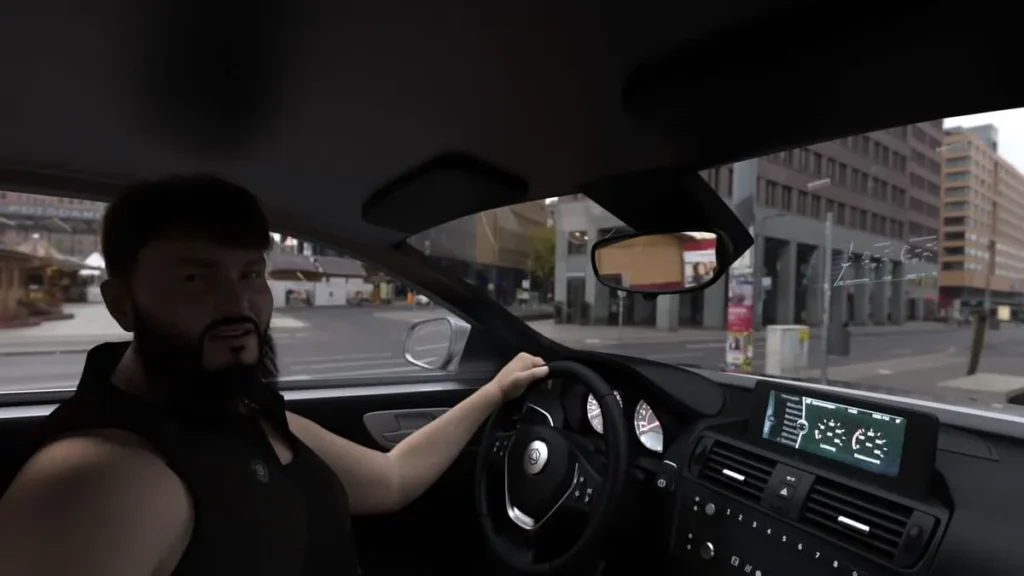
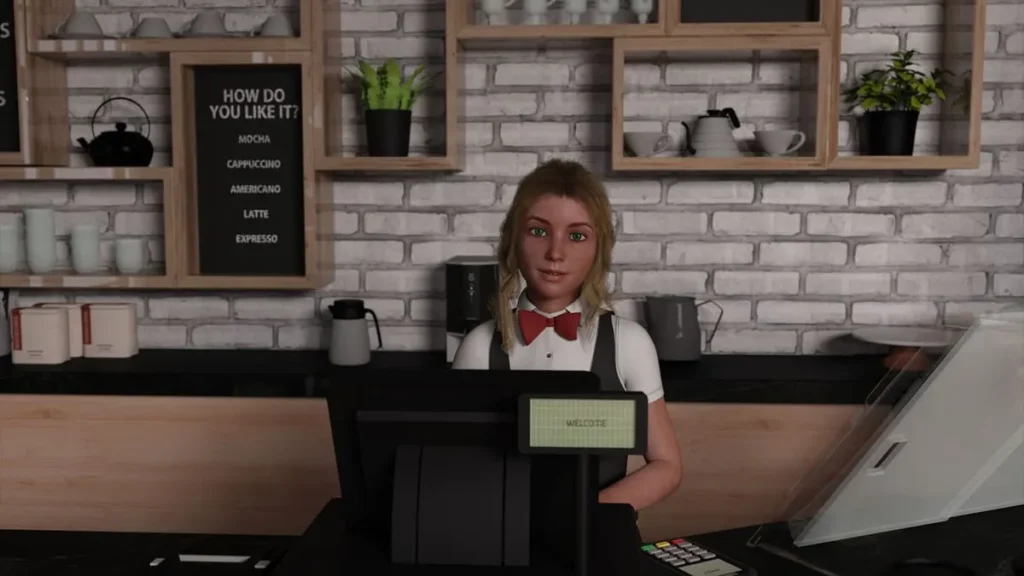




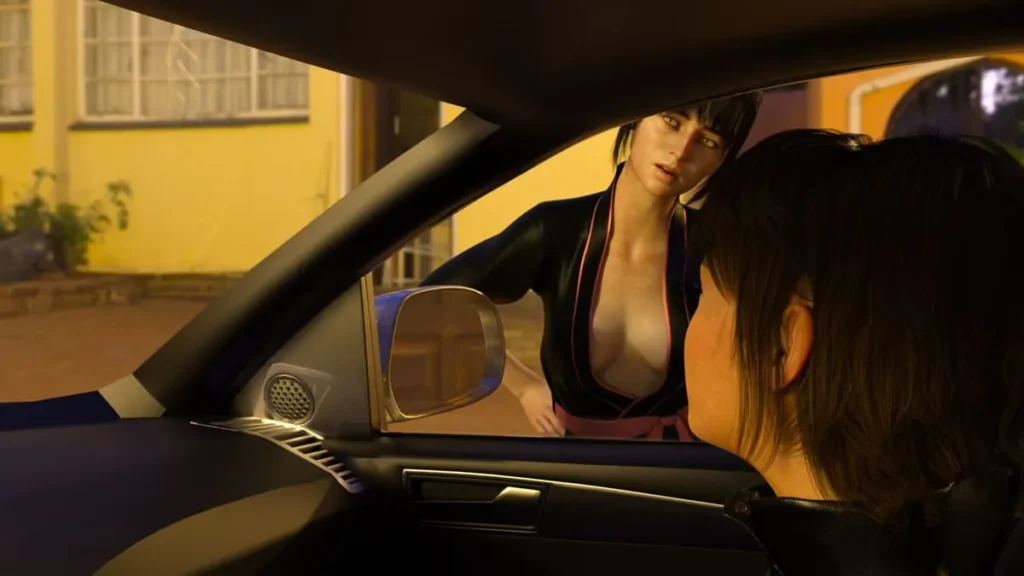

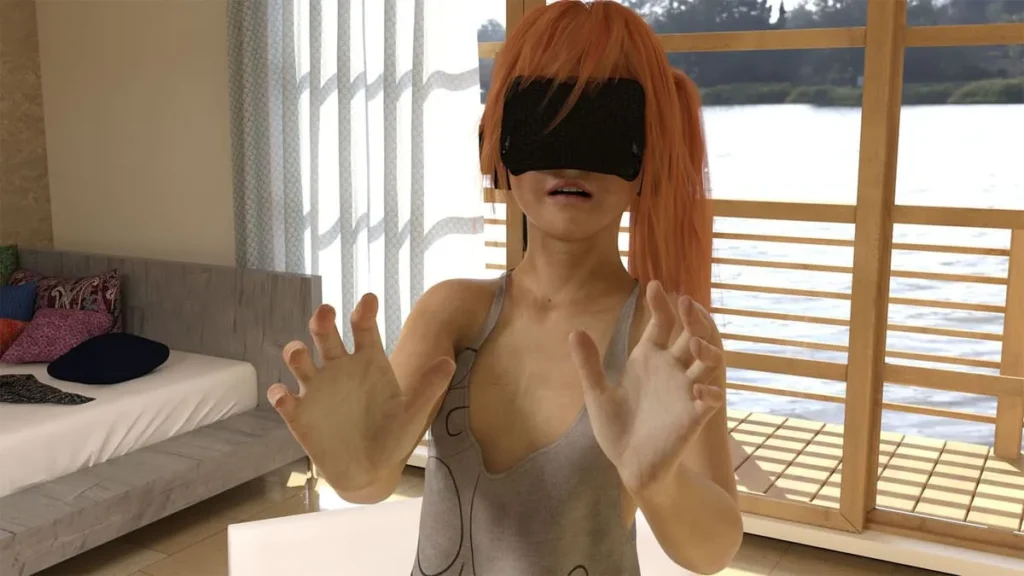









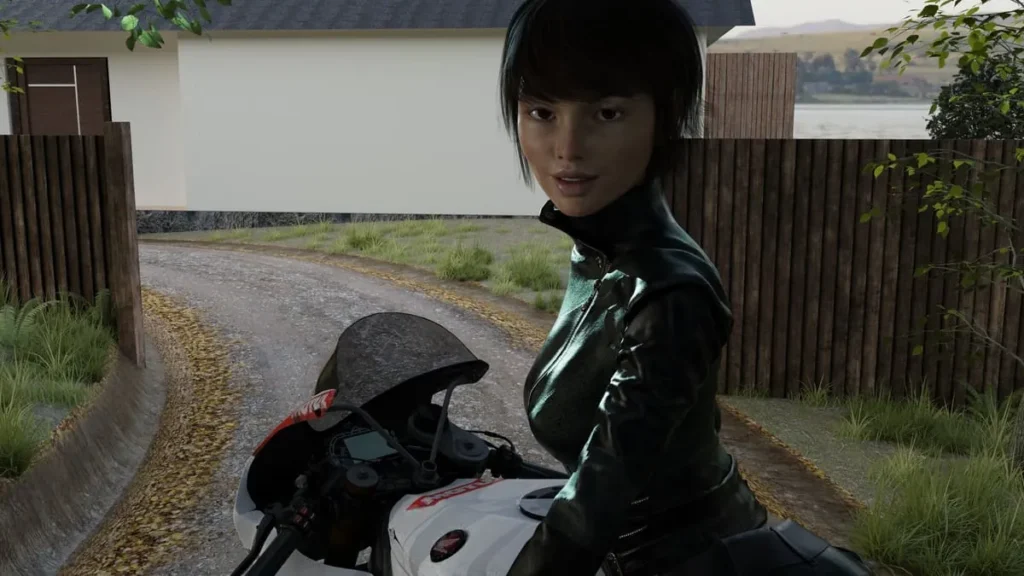

Bad Memories review
Explore the choice-driven narrative, character relationships, and branching storylines in this visual novel experience
Bad Memories is a choice-based visual novel that puts player agency at the center of the experience. This game stands out for its dynamic narrative system where your decisions genuinely shape the story’s direction and character relationships. Whether you’re exploring different story paths, managing character connections, or uncovering the mystery behind the game’s central plot elements, understanding how the game’s mechanics work is essential. This guide covers everything you need to know about gameplay features, character interactions, decision-making systems, and how to navigate the branching storylines that make Bad Memories a unique interactive experience.
Understanding Bad Memories: Core Gameplay Mechanics & Story Structure
Ever feel like your decisions in a game actually matter? 🤔 In Bad Memories, every choice you make ripples through the entire experience, crafting a story that is uniquely yours. This isn’t just a passive read; it’s an interactive journey where your voice directs the flow. The core of this experience is its choice-based visual novel gameplay, a format that prioritizes narrative agency over traditional action. Forget quick-time events or skill trees—here, your power lies in conversation, introspection, and the moments you choose to share with others. Let’s dive into the mechanics that make this game so compelling and personal.
How Choice-Based Decisions Shape Your Narrative Path
I remember my first playthrough of Bad Memories. I approached it like any other story, making choices that felt “right” in the moment. When a character revealed a vulnerability, I offered comforting words. It seemed innocent, but hours later, that single dialogue branch had quietly locked me out of an entire subplot with another character. That was my “aha!” moment: in this world, there are no autopilot decisions. 🧭
The choice-based visual novel gameplay in Bad Memories is built on a foundation of meaningful player decision consequences. Unlike games where choices are merely cosmetic, here they actively reshape the narrative landscape. The game employs a sophisticated tracking system that logs your every action—from which location you visit on a Tuesday afternoon to the specific tone you use when texting a friend. These aren’t forgotten; they accumulate, influencing future dialogue options, character availability, and even the scenarios that unfold.
Pro Tip: Think of your save file as a personality transcript. The game is always listening, and it uses your past to define your possible future.
For instance, choosing to spend your evening studying at the library instead of attending a party isn’t just a time-management decision. It might mean you miss a crucial confrontation that establishes a key character’s motivation, which later alters how they perceive your advice during a crisis. This creates a truly dynamic Bad Memories story progression. The plot doesn’t move along a single rail; it branches and weaves based on your documented history.
The system avoids simple binary morality. You won’t find obvious “Paragon” or “Renegade” prompts. Instead, choices reflect nuanced human interactions: be cautiously supportive, boldly honest, diplomatically evasive, or vulnerably open. Each has distinct repercussions. A decision that strengthens your bond with one person might inadvertently sow seeds of jealousy or misunderstanding with another. This complexity is the heart of the game’s branching narrative paths. You’re not just picking endings; you’re architecting the entire journey, path by path.
To give you a clearer picture of how these interconnected choices work, here’s a table showcasing specific examples:
| Key Choice Point | Immediate Effect | Long-Term Consequence on Relationships & Story |
|---|---|---|
| Deciding to confide in Alex about your anxiety on Day 3. | Alex’s trust meter increases significantly. Unlocks a unique, comforting scene. | Alex may become your primary confidant, intervening in later conflicts. Can lock out more reserved paths with other characters who value privacy. |
| Choosing to skip the weekend art workshop to help Jamie move. | Jamie’s relationship points boost. You miss a chance to meet a reclusive artist character. | Solidifies a “helper” dynamic with Jamie, leading to them relying on you more in future crises. The artist character may remain a stranger, removing a potential romantic branch and a subplot about creative inspiration. |
| During an argument, selecting the sarcastic retort instead of apologizing. | Causes immediate friction, dropping relationship points with the involved character. Dialogue becomes tense. | Can permanently alter the tone of that relationship to a more competitive or distant one. May open up a rare “reconciliation” arc later, but only if other specific choices are made to soften the fallout. |
| Spending your limited “free time” repeatedly at the city park. | You encounter random events with different side characters each time. | Consistently increases the likelihood of triggering a rare, deeply personal side story with a non-main character, which can indirectly influence main story themes and ending eligibility. |
This table illustrates just a fraction of the cause and effect at play. The player decision consequences are rarely isolated; they form a web that defines your version of the story. Your Bad Memories story progression is a direct transcript of your priorities, fears, and desires.
Character Relationships and Dialogue Systems Explained
If the branching story is the skeleton of Bad Memories, then the character relationship system is its beating heart. 💖 This isn’t about grinding affection points to unlock a scene; it’s about cultivating authentic, often messy, connections. Every character has their own history, temperament, and expectations, and they react to your consistent behavior, not just isolated nice gestures.
The dialogue choices and outcomes are your primary tool for navigating these relationships. When you’re in a conversation, options appear that range from emotional responses to logical queries. There’s no “correct” choice, only what aligns with the persona you’re building for your protagonist. I learned this the hard way when trying to be everyone’s friend. In one playthrough, by always agreeing with everyone, I made my protagonist seem insincere, and key characters actually called me out on it, leading to fractured trusts!
The game tracks relationships through a hidden, multi-dimensional affinity system. It’s not just a “like/dislike” meter. It might track how much a character sees you as a leader, a protector, a rival, or a muse. Your dialogue choices and outcomes feed into these hidden dimensions. For example:
* Choosing to challenge a character’s self-destructive habit might lower a “comfort” score but significantly raise a “respect” score.
* Offering practical help after a failure might boost “reliance” but slightly lower “passion” in a romantic context.
These nuanced shifts determine everything. They control whether a character seeks you out for advice, shares a secret, agrees to a date, or decides to end their relationship with you. A high “trust” affinity with one character might lead them to vouch for you in a group conflict, while a high “intellectual rivalry” score with another could unlock unique debate scenes that reveal their backstory.
Character customization for your protagonist is subtle but impactful. You don’t choose stats from a menu; you define them through play. Are you a charismatic listener? A brutally honest realist? The game infers this from your pattern of dialogue choices and outcomes. This inferred profile then unlocks or locks specific response options later, making your character’s development feel organic. By the final chapters, the conversation options available to you are a direct reflection of the personality you’ve performed throughout the game.
The pacing is masterful. The story unfolds across distinct in-game days and chapters, and you often have to choose how to spend your limited time slots. Will you mend fences with an estranged friend, pursue a personal hobby that stabilizes your mental state, or investigate a lingering mystery? 🕵️♂️ You can’t do it all, and that’s the point. Managing your time is itself a major decision with cascading effects on the character relationship system and overall Bad Memories story progression.
Navigating Story Branches and Multiple Endings
So, you’ve been making choices and building relationships—where does it all lead? To one of the most satisfying aspects of Bad Memories: its vast network of branching narrative paths and its status as a multiple endings visual novel. The game doesn’t have three endings; it has dozens, each a nuanced variation reflecting the sum total of your journey. Unlocking them all is a testament to your understanding of the game’s intricate systems.
The branching narrative paths aren’t always obvious. Sometimes, a major branch occurs based on a seemingly minor decision from days prior. In one of my playthroughs, because I had consistently chosen creative hobbies for my protagonist, I unlocked a special scene where I could collaborate on a song with a love interest. That entire romantic subplot—and its associated ending—was invisible in a playthrough where I focused on academic pursuits. It’s like the game rewards you for role-playing consistently. 🌟
Your route to any given ending is built on key milestones. The game often presents “junction” points—moments where the story can diverge significantly based on the state of your relationships and past choices. For example, a critical conflict in Chapter 7 might resolve in three completely different ways:
* The Unified Front Ending: If your affinity with the core friend group is high and balanced, you might mediate a peace that brings everyone closer.
* The Fractured Circle Ending: If you’ve favored one relationship over others, the group might splinter, with you leaving with your chosen ally.
* The Lone Path Ending: If relationships are generally low or antagonistic, you might walk away from everyone, leading to a solitary, introspective conclusion.
These are just macro examples. Within each, smaller variations exist based on who you romanced, which secrets you uncovered, and how you resolved personal demons. The multiple endings visual novel design ensures that no two stories feel the same.
Replayability is a core joy. The game encourages multiple playthroughs with its “Memories” menu, which tracks the scenes, endings, and character moments you’ve discovered. There’s no traditional “New Game Plus” that carries over stats—and for good reason. The freshness of each run comes from making different foundational choices. However, your meta-knowledge is your greatest asset. On a second playthrough, you can strategically aim for specific branching narrative paths you missed before, experimenting with a completely different personality to see how the characters react anew.
Personal Insight: My most rewarding session was when I deliberately played as a distant, career-focused protagonist. Seeing how the same story events unfolded from a perspective of emotional avoidance was heartbreaking and brilliant, revealing layers of the narrative I never knew existed.
Managing the pacing across days is crucial for targeting specific endings. If you’re aiming for a romance-centric conclusion, you must prioritize time with that character consistently, not just at key story beats. If you want an ending that resolves the overarching mystery, you need to dedicate time to investigation prompts whenever they appear, even if it means neglecting social events. The Bad Memories story progression is a delicate balance, and your calendar is your most strategic tool.
Frequently Asked Questions About Bad Memories Game Mechanics
-
How do I unlock the intimate scene with [Character X]?
Intimate scenes are never just about reaching a “point” threshold. They require a specific combination of high affinity in certain dimensions (e.g., trust and passion), making key supportive choices at story-critical moments, and often, having followed a specific branching narrative path earlier in the game. Check your in-game “Memories” for hints on missed triggers. -
Can I undo a choice or go back without restarting?
Bad Memories is designed around permanent player decision consequences. You cannot undo a choice within a playthrough. The game autosaves at key points to reinforce this. To explore different outcomes, you must start a new game or load a much earlier manual save. This emphasizes the weight of your decisions. -
Is there a “best” or “canon” ending?
No. The game’s philosophy is that every ending is a valid conclusion to the story you crafted. Some are more hopeful, others more tragic, but all are thematically consistent. The “best” ending is the one that feels most authentic to the journey you created through your dialogue choices and outcomes. -
How does the game handle protagonist gender/identity?
The protagonist is often customizable in name and, in many routes, through pronoun selection or identity-presenting dialogue options. The character relationship system is responsive to this, with some characters having specific romantic routes available based on your presentation, making the world feel more inclusive and reactive. -
What’s the fastest way to see all the content?
There’s no shortcut. Due to the deeply interwoven choice-based visual novel gameplay, seeing everything requires multiple, deliberately varied playthroughs. Use the “Skip Read Text” feature after your first run to fast-forward through scenes you’ve already seen, pausing only when new branching narrative paths appear. -
Do choices from early chapters really affect the final ending?
Absolutely. The game’s tracking is comprehensive. A dialogue choice in Chapter 1 might set a subtle precedent for how a character perceives you, which influences their reaction to a crisis in Chapter 8, directly altering your available endgame options. Every choice is a seed for future player decision consequences.
In the end, Bad Memories is more than a game; it’s a narrative simulator that places profound trust in you, the player. Your decisions carve canyons through the plot, your relationships color every scene, and your persistence in exploring its multiple endings visual novel structure reveals a story of remarkable depth. It proves that in the right hands, the choice-based visual novel gameplay format isn’t just about telling a story—it’s about living it, again and again, each time discovering new secrets about its world and, perhaps, about yourself. 🎭
Bad Memories delivers a compelling interactive experience through its sophisticated choice-based system where every decision matters. The game’s strength lies in how it respects player agency, allowing you to forge unique narrative paths through careful decision-making and character interaction management. By understanding the mechanics of relationship tracking, story branching, and consequence systems, you can fully appreciate the depth of storytelling the game offers. Whether you’re pursuing specific character relationships, uncovering all story variations, or simply enjoying the narrative journey, mastering these systems enhances your overall experience. Take time to explore different choices on subsequent playthroughs to discover the full scope of what Bad Memories has to offer.