Companion of Darkness
Play Companion of Darkness
Companion of Darkness Screenshots



Companion of Darkness review
Explore the immersive storytelling, character development, and gameplay mechanics of this visual novel experience
Companion of Darkness stands out as a visual novel that combines exceptional storytelling with immersive animations and engaging character development. This game has captured player attention through its unusual plot, beautiful character models, and atmospheric world-building. Whether you’re a visual novel enthusiast or curious about narrative-driven gaming experiences, understanding what makes Companion of Darkness unique can help you decide if it’s worth your time. This guide explores the game’s key features, narrative elements, and what players appreciate most about this title.
What Makes Companion of Darkness Stand Out in Visual Novel Gaming
Let’s be honest—the visual novel space is crowded. 🎮 You’ve got your classic romance sims, your gritty mystery thrillers, and everything in between. It takes something genuinely special to cut through the noise and leave a lasting mark. From the moment I booted up Companion of Darkness, I knew I’d found one of those rare gems. This isn’t just another narrative-driven game; it’s a masterclass in how to weave visual novel storytelling, profound character arcs, and stunning presentation into a single, unforgettable experience.
What is it that truly sets this game apart? It’s the alchemy of its parts. The Companion of Darkness plot doesn’t just tell a story; it pulls you into its world with a gravity that’s hard to resist. The character development visual novel fans crave is here in spades, with each relationship feeling earned and every emotional beat landing with precision. And underpinning it all is a rich foundation of visual novel lore and worldbuilding that makes every revelation feel significant. Ready to dive into what makes this title a must-play? Let’s explore the pillars of its excellence.
Exceptional Storytelling and Narrative Design
The heart of any great visual novel storytelling is, unsurprisingly, the story. But Companion of Darkness approaches its narrative with a boldness and structural ingenuity that left me constantly engaged. 🧩 Right from the start, the game establishes a compelling hook, but it’s the execution that truly dazzles.
Instead of a linear “point A to point B” plot, the game employs a fragmented, almost puzzle-like narrative structure. You’ll experience events from different perspectives and timelines, slowly piecing together the truth of the central mystery. This approach does more than just create intrigue; it actively involves you in the process of discovery. You’re not a passive reader—you’re an archaeologist, brushing away the dust from a fractured history. The Companion of Darkness plot is a testament to trusting the player’s intelligence, offering satisfaction not from having the story told to you, but from the “aha!” moments of connecting the dots yourself.
This narrative bravery pays off in spades for character development. Because you see key events through different eyes, you gain a nuanced understanding of each character’s motivations, fears, and flaws. A character who seems antagonistic in one chapter may become profoundly sympathetic in the next. This depth ensures that the emotional investment isn’t just about “saving the world” in a generic sense, but about understanding and guiding these specific, beautifully broken people toward their destinies.
“I’ve played dozens of visual novels, but Companion of Darkness is the first one where I felt like I was inside the story, not just watching it. The way it plays with time and perspective is genius—it broke my heart three times before I even hit the halfway point.”
Here are the key features that make the narrative of Companion of Darkness unique:
- Non-Linear Revelation: The story is delivered in carefully curated fragments, prioritizing emotional impact and mystery over chronological order.
- Perspective-Shifting Gameplay: You don’t just follow one protagonist. Playing from multiple viewpoints builds a richer, more complex understanding of the conflict and the visual novel lore and worldbuilding.
- Meaningful Choices with Weight: Decisions aren’t just about picking a love interest. They can alter relationships, change the course of subplots, and unlock entirely different narrative threads that explore the lore.
- Pacing That Masters Tension: The game expertly balances quiet, character-driven moments with intense, plot-forwarding revelations, ensuring you’re never bored or overwhelmed.
- Themes That Resonate: It tackles complex ideas like sacrifice, the nature of memory, and the burden of power, giving the story a philosophical weight that lingers long after the credits roll.
The brilliance of this narrative-driven game is how it makes the lore personal. The grand, cosmic rules of the world—the visual novel lore and worldbuilding—are always filtered through the characters’ lived experiences. You learn about ancient pacts and magical laws not through dry codex entries, but through the trauma they inflicted on someone you’ve grown to care about. This fusion of epic scale and intimate character drama is where Companion of Darkness truly shines. ✨
Visual and Audio Excellence
If the story is the soul of Companion of Darkness, then its visual and audio presentation is the breathtaking vessel that carries it. This is where the term “immersive” feels insufficient. The game leverages every tool in the modern visual novel toolkit to create a sensory experience that is nothing short of captivating. 🎨
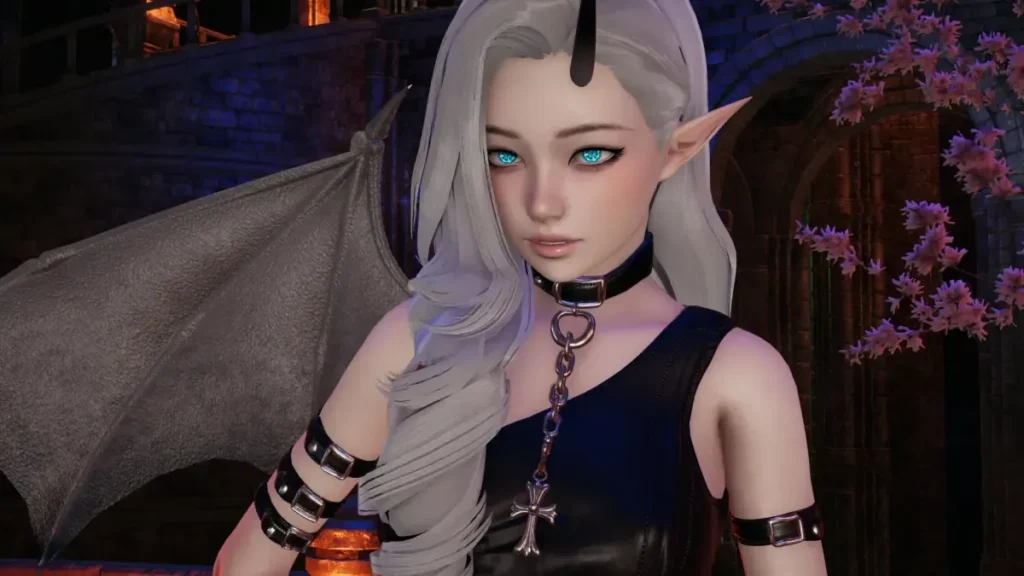
Let’s start with the obvious: the character designs. The artists behind this game have an exceptional understanding of visual storytelling through design. Every detail, from a character’s clothing style to their posture and even their signature color palette, communicates something about their history and personality. The “beautiful female character models” often praised by players aren’t just aesthetically pleasing; they are narrative devices. A scar tells a story of past conflict, an anachronistic piece of jewelry hints at a hidden origin, and a subtle shift in expression during a crucial dialogue choice can speak volumes. This attention to design quality elevates them from simple sprites to feeling like real, breathing individuals.
But static images can only do so much. This is where the immersive game animations truly change the game. We’re not talking about simple blinking or lip flaps. Companion of Darkness incorporates subtle, dynamic animations that bring scenes to life: the gentle sway of hair in a breeze, the nervous tapping of a finger on a table during a tense conversation, the way light and shadow play across a room as a character paces. During key dramatic moments, the game employs more pronounced cinematic animations—a sudden zoom on a character’s eyes widening in shock, a slow pan across a rain-soaked cityscape to underscore melancholy. These immersive game animations don’t just illustrate the action; they direct your emotional focus and amplify the impact of every story beat.
The auditory landscape is equally masterful. The sound design is meticulous, from the ambient sounds of a crowded cafe to the chilling silence of a forgotten temple. It builds the world around you. And then there’s the music. The score is a character in itself, with leitmotifs assigned to key characters and themes. A soft, piano melody might underscore a moment of vulnerability, only to be twisted into a minor-key, orchestral version during a moment of betrayal or confrontation. This musical storytelling creates powerful subconscious connections, making the emotional arcs hit even harder.
| Aspect of Presentation | How It Enhances the Experience |
|---|---|
| Dynamic Character Sprites & Expressions | Goes beyond basic emotions to show subtle, complex states like hesitant resolve, guarded hope, or simmering resentment, making dialogues profoundly more expressive. |
| Background Art & Lighting | Environments are painted with mood in mind. A sun-dappled library feels safe and warm, while a neon-lit alley feels dangerous and alive, crucial for visual novel lore and worldbuilding. |
| Cinematic Animation Sequences | Used sparingly for maximum impact during pivotal story turns, these sequences blur the line between visual novel and animated film, raising the stakes dramatically. |
| Thematic Musical Score | Character-specific themes evolve alongside their journeys, and environmental tracks adapt to the narrative tension, seamlessly guiding the player’s emotional response. |
The synergy here is magical. When a haunting violin piece swells as the camera focuses on a character’s trembling hand, all while rain streaks down the window behind them, you’re not just reading a line of text about them being sad. You are feeling it. That is the power of this game’s presentation.
“The moment the main theme played during the opening sequence, I got chills. And the animation when [redacted for spoilers] first uses their power? I actually said ‘whoa’ out loud. It’s that level of polish that makes you realize you’re playing something special.”
Character Development and Relationship Building
In many games, “character development” means watching a personality trait bar fill up. In Companion of Darkness, it’s an organic, often painful, and always compelling process of human (and sometimes not-so-human) transformation. This is the core of what makes the Companion of Darkness visual novel so resonant—its characters feel astonishingly real. 💖
The game excels at crafting character development visual novel enthusiasts dream of: arcs that are earned, not bestowed. A character doesn’t become “brave” because the plot needs them to; they stumble into courage through a series of difficult choices, failures, and small personal victories that you witness firsthand. Their growth is tied directly to the relationships they form, and this is where the game’s interactive elements shine. Your choices in dialogue and action don’t just raise a “favor” meter; they shape the nature of your relationship.
You might choose to challenge a character’s self-destructive belief, which could push them away temporarily but ultimately becomes the catalyst for their most significant growth. Or, you might offer comfort, which strengthens their trust in you but could enable a harmful behavior. These relationships are complex webs of support, conflict, misunderstanding, and reconciliation. Building a bond feels like a genuine investment, and because the Companion of Darkness plot puts these characters under immense pressure, you get to see the true metal of who they are—and who they can become with (or without) your support.
The cast is wonderfully diverse, not just in design, but in their fundamental roles within the story and their psychological makeup. You’re not simply collecting archetypes. You might find yourself allied with:
* A cynic who uses sarcasm as armor, hiding a profound capacity for loyalty.
* An idealist whose unwavering hope is both their greatest strength and a devastating flaw.
* A character burdened by a legacy they never asked for, struggling to define themselves outside of it.
Your journey with each of them is unique. The game allows for deep, platonic bonds that are just as rewarding as romantic ones, which is a refreshing and meaningful approach. These relationships are the vehicle through which you explore the game’s deepest themes and its expansive visual novel lore and worldbuilding. By caring for the characters, you inherently begin to care about the fate of their world.
This focus on deep character development transforms the Companion of Darkness visual novel from a simple story into a personal experience. The finale’s impact isn’t just about whether you achieved a “good” or “bad” ending in a technical sense. It’s about whether you feel you helped these virtual people you’ve spent hours with find some measure of peace, truth, or redemption. That emotional payoff, tailored by your own choices and investment, is the hallmark of a narrative masterpiece. When you finish Companion of Darkness, you don’t just feel like you’ve completed a game—you feel like you’ve lived a chapter of someone’s life, and said a heartfelt, bittersweet goodbye. 👋
The magic of Companion of Darkness lies in its unwavering commitment to the “novel” part of “visual novel.” It understands that technology—stunning art, fluid immersive game animations, and a sweeping score—are there to serve the oldest form of human connection: a great story, told well. It leverages the interactive potential of the medium not for shallow gameplay loops, but to deepen your investment in a rich Companion of Darkness plot and the unforgettable characters who inhabit it.
This is more than a narrative-driven game; it’s an invitation to lose yourself in a world where every detail, from the grandest lore to the smallest character gesture, has been crafted with care and purpose. If you’re seeking an experience that will challenge your mind, tug at your heartstrings, and remind you why you fell in love with storytelling in the first place, your next great adventure awaits within the pages of this remarkable visual novel storytelling achievement.
Companion of Darkness delivers a compelling visual novel experience that combines outstanding storytelling with impressive visual presentation and immersive animations. The game’s unusual plot, beautiful character models, and engaging narrative structure have resonated with players seeking depth and emotional investment in their gaming experiences. While some technical aspects and design choices have room for refinement, the overall quality of the storytelling and character development makes it a notable entry in the visual novel genre. If you appreciate narrative-driven games with rich character development and atmospheric world-building, Companion of Darkness offers a worthwhile experience that justifies the time investment.