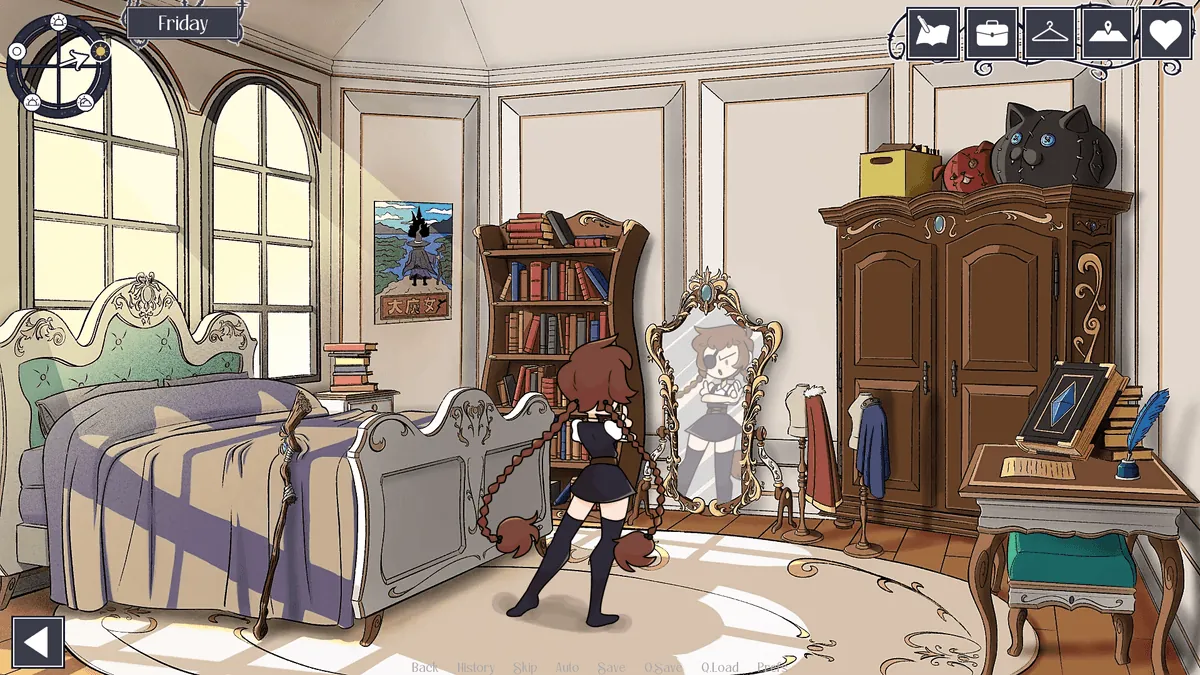
Grandma’s House
Play Grandma’s House
Grandma’s House Screenshots

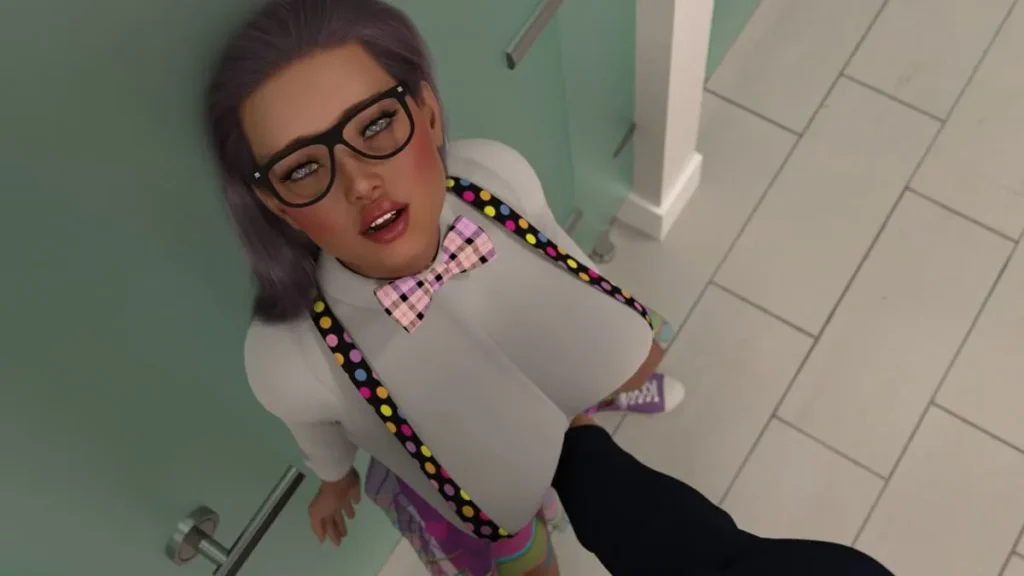





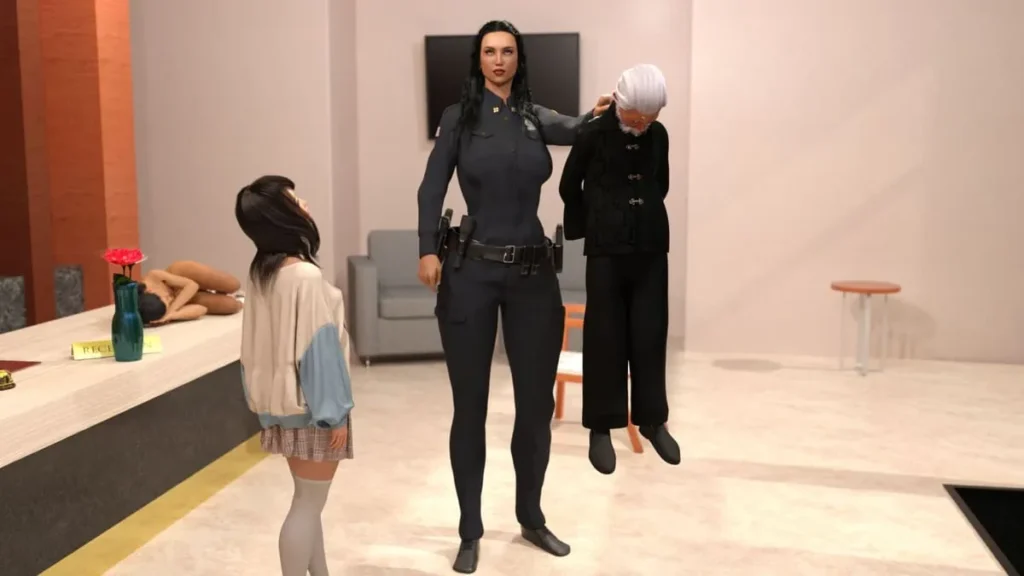










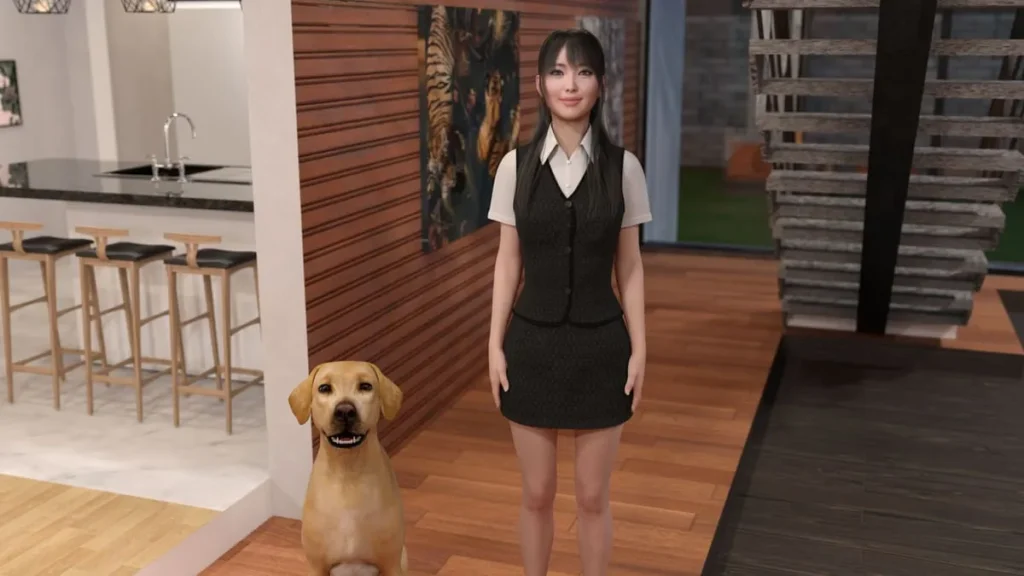



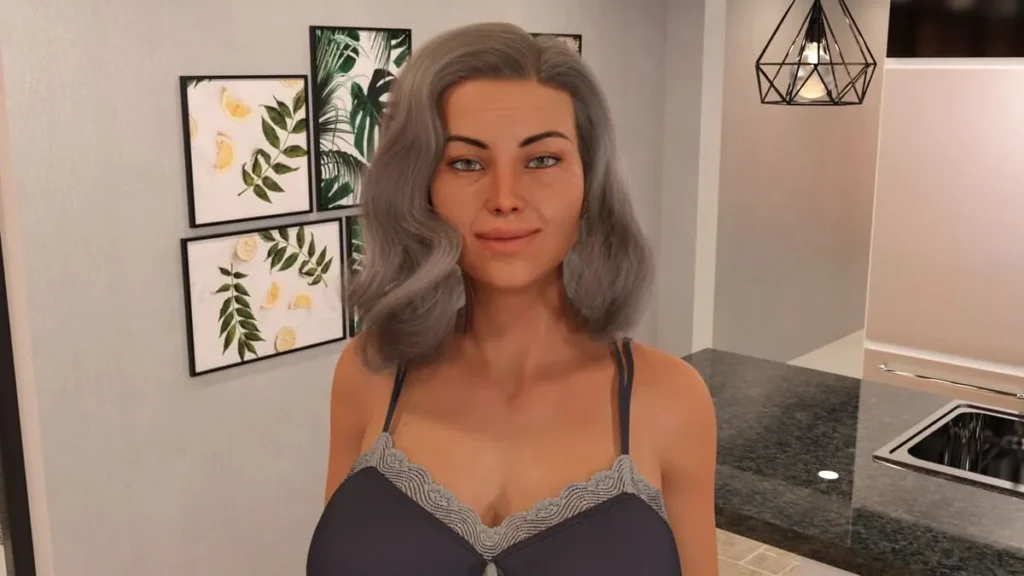



Grandma’s House review
Explore the immersive world and gameplay of Grandma’s House adult visual novel
Grandma’s House is a unique adult visual novel game that blends storytelling with interactive gameplay, offering players a deep and evolving experience. This guide dives into the game’s core features, characters, and narrative paths to help both new and returning players navigate its complex world. Whether you’re curious about the storylines or looking for practical advice on progressing, this article covers everything you need to know about Grandma’s House.
Gameplay Mechanics and Story Progression in Grandma’s House
Stepping into Grandma’s House gameplay for the first time, I’ll admit I was braced for a certain pace. You know the one—where a few charming chats instantly unlock deeper connections. What I found instead was a beautifully patient and authentic rhythm that completely redefined my expectations for an interactive visual novel Grandma’s House offers. This isn’t a race; it’s a gradual, rewarding unfolding where every cup of tea and quiet conversation truly matters. 🍵
If you’re coming from more fast-paced titles, the genius of this experience lies in its commitment to realism. The story choices you make aren’t about chasing a quick win; they’re about building a life, brick by emotional brick. Let’s pull up a chair on the porch and explore exactly how this captivating game works.
How Does Gameplay Unfold?
At its heart, the Grandma’s House gameplay loop is an elegant cycle of routine, interaction, and choice. Your days are yours to structure, often starting with a simple, cozy task from your grandma. This establishes the game’s wonderful, grounded atmosphere. The core of your progress, however, happens through talking.
You’ll spend your time engaging with the small cast of characters who live in or visit the house. Conversations are presented through classic visual novel narration and dialogue boxes, but with a crucial twist: the Grandma’s House story choices you select carry significant, often subtle weight. A typical interaction might present you with three ways to respond:
* A supportive, open-hearted option.
* A neutral or cautious reply.
* A more bold or flirtatious line.
Here’s the key: rarely does any single choice make or break a relationship. Instead, it’s the consistent pattern of your behavior that characters remember. Choosing to ask thoughtful follow-up questions, offering help without being asked, or simply sharing a bit about your own virtual life—these are the threads that weave the tapestry of your connections. This deliberate pacing is what makes it a premier slow relationship development game. You earn trust through attentive presence, not grand gestures.
My Tip: Don’t just click through dialogue! Read the narration carefully. It’s filled with clues about a character’s mood and history, guiding you toward more meaningful Grandma’s House story choices.
Character Interactions and Relationship Building
This is where the soul of the game lives. The character relationships Grandma’s House builds are its masterpiece. Each person you meet, from your loving grandma to the other residents, has a richly detailed backstory, personal struggles, and unique defenses. They won’t pour their hearts out to a stranger. You have to become a confidant.
Let’s look at an example that perfectly illustrates this trust-building mechanic. Early on, you might meet Sam, who is often found tinkering with an old car in the yard. 🚗
- Initial Interaction: You can make a generic comment about the car, offer to help, or make a slightly teasing joke.
- Building Trust: If you choose to offer help and then, in later conversations, ask about the origin of the car or listen to his technical explanations without rushing, you’ll notice a shift. He might start sharing more personal details—why the project matters to him, memories of working on it with someone special.
- The Impact: This earned trust unlocks new, more vulnerable dialogue branches later. It might lead to a pivotal scene where he asks for your serious advice or shares a fear, a scene that would be completely inaccessible if you’d been dismissive or impatient earlier.
This meticulous attention to character relationships Grandma’s House style means every interaction feels consequential. The game’s system tracks your rapport with each character invisibly, influencing not just what they say, but how they say it, their body language in scenes, and which private moments they choose to share with you. You’re not just picking romance options; you’re demonstrating through repeated actions whether you are a kind, patient, and reliable person.
Decision Paths and Their Impact on the Story
The decision impact Grandma’s House is famous for is both profound and beautifully understated. There are no “Game Over” screens for a wrong choice, but rather a gentle steering of the narrative river onto a different path. Your cumulative choices determine:
* Which character’s story you become most entwined with.
* The specific milestones and intimate moments you experience with them.
* The overall emotional tone of your entire stay—will it be a healing journey, a passionate rediscovery, or a bittersweet mix of both?
Major decision points often arise after key events, like a family dinner or a stormy night. These moments test the bonds you’ve been nurturing. For players who want to see specific outcomes or navigate complex emotional triggers, seeking a Grandma’s House walkthrough can be incredibly helpful. These guides respect the game’s spirit by outlining how consistent choice patterns lead to different endings, rather than just providing a quick cheat sheet.
To visualize how these narrative branches work, here’s a table outlining some common pivotal moments and their potential narrative consequences:
| Scenario / Decision Point | Potential Choice | Long-term Narrative Impact |
|---|---|---|
| A character shares a vulnerable secret about their past. | Promise to keep it confidential vs. Use it later to gently challenge them. | Fundamentally alters their level of openness with you. A broken promise can regress trust significantly, while respectful handling deepens the connection uniquely. |
| Grandma asks for your opinion on a family matter. | Side with one resident vs. Propose a compromise vs. Decline to get involved. | Shapes your role in the household dynamic. Can affect how other characters view your loyalty and judgment, opening or closing certain subplot threads. |
| You have dedicated time to spend with one character. | Choose a quiet, shared activity vs. Plan an adventurous outing. | Leads to completely different, character-specific scenes that reveal different facets of their personality. Both build rapport, but in distinct ways that favor different relationship paths. |
| Confronting a character during a moment of conflict. | Offer comfort and space vs. Push for immediate resolution. | A critical test of your understanding. The “right” choice depends entirely on the individual’s personality and the history you’ve built. Missteps here can require several in-game days of repair. |
Navigating this web of decision impact Grandma’s House creates a deeply personal story. My first playthrough felt uniquely mine because the slow burn of the connections meant my choices were aligned with my genuine reactions, not a strategy to “win.” And when I did eventually consult a Grandma’s House walkthrough for a second playthrough, I was astounded by the sheer volume of meaningful content I had missed—whole layers of character depth accessible only through a different pattern of patience and kindness.
In the end, the Grandma’s House gameplay philosophy teaches a wonderful lesson about digital storytelling: that the most rewarding connections are those built to last, not just to conquer. It’s an invitation to slow down, listen intently, and invest your heart, knowing that every small, honest choice is quietly shaping a world that feels wonderfully real.
Grandma’s House offers a richly detailed and thoughtfully paced interactive experience that rewards patience and careful decision-making. By understanding its gameplay mechanics and character dynamics, players can fully immerse themselves in its narrative and enjoy the depth of its story paths. Whether you’re just starting or looking to deepen your experience, exploring the game’s choices and relationships will enhance your journey. Dive in and discover what Grandma’s House has to offer.