Summer’s Gone
Play Summer’s Gone
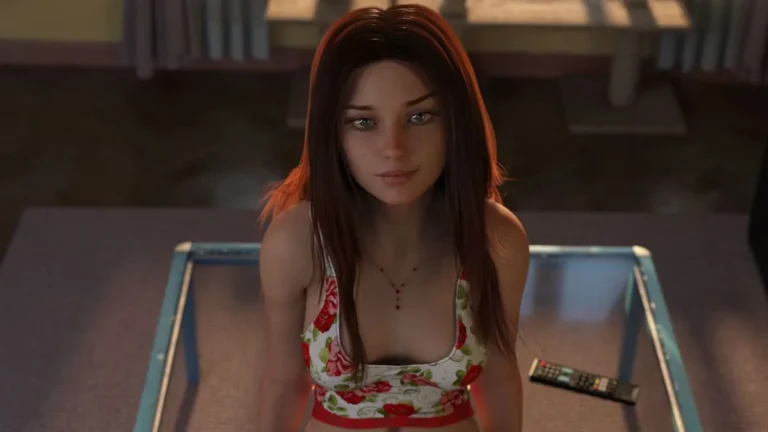
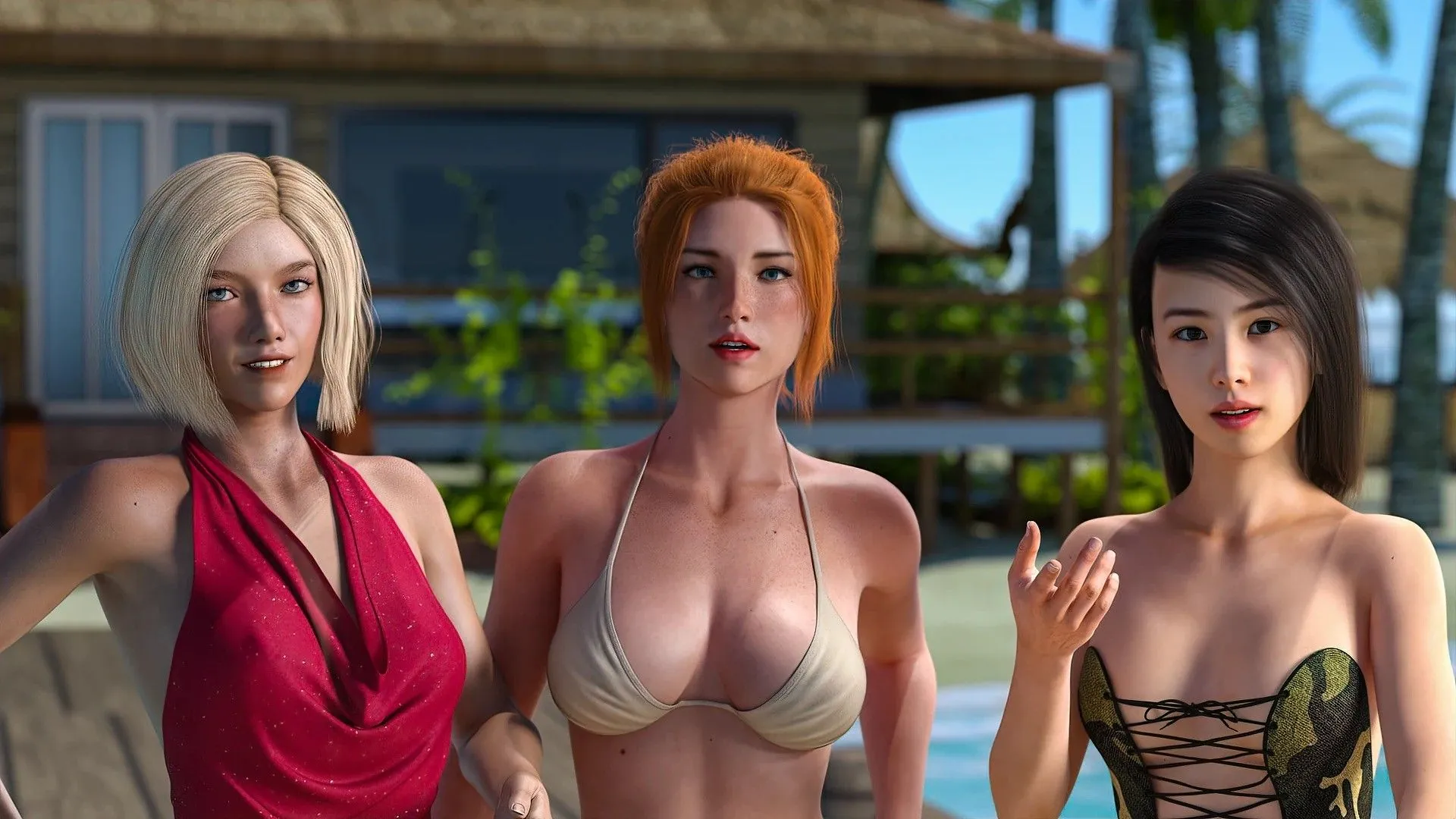
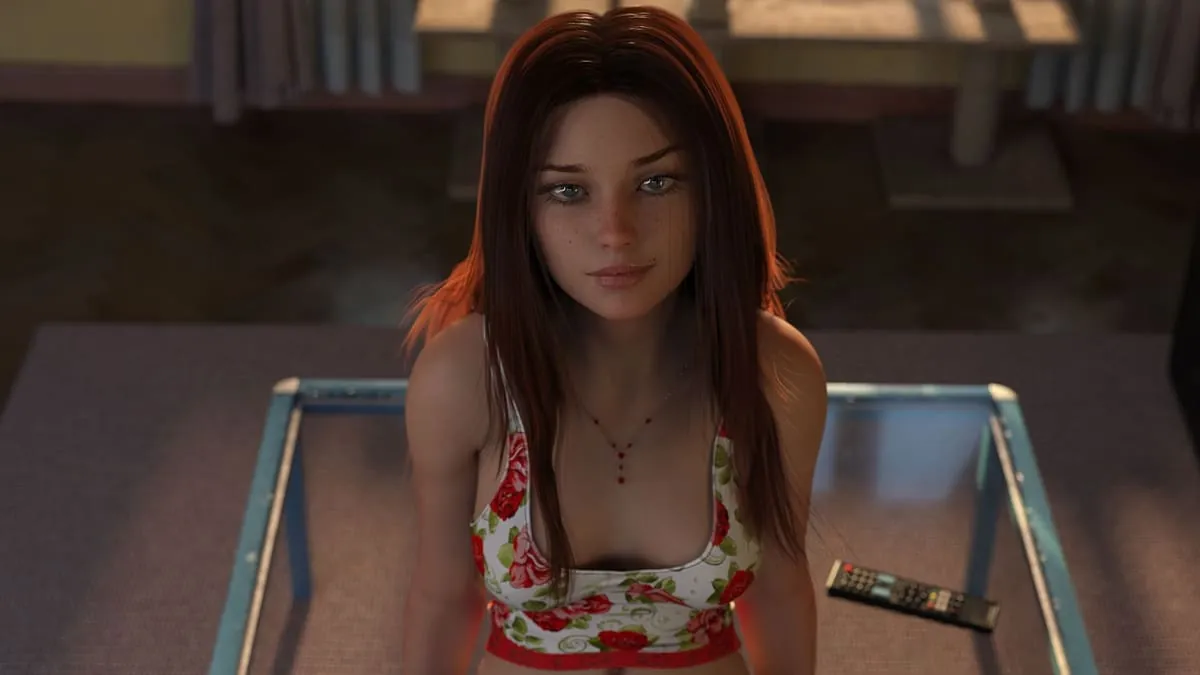
Summer’s Gone Screenshots













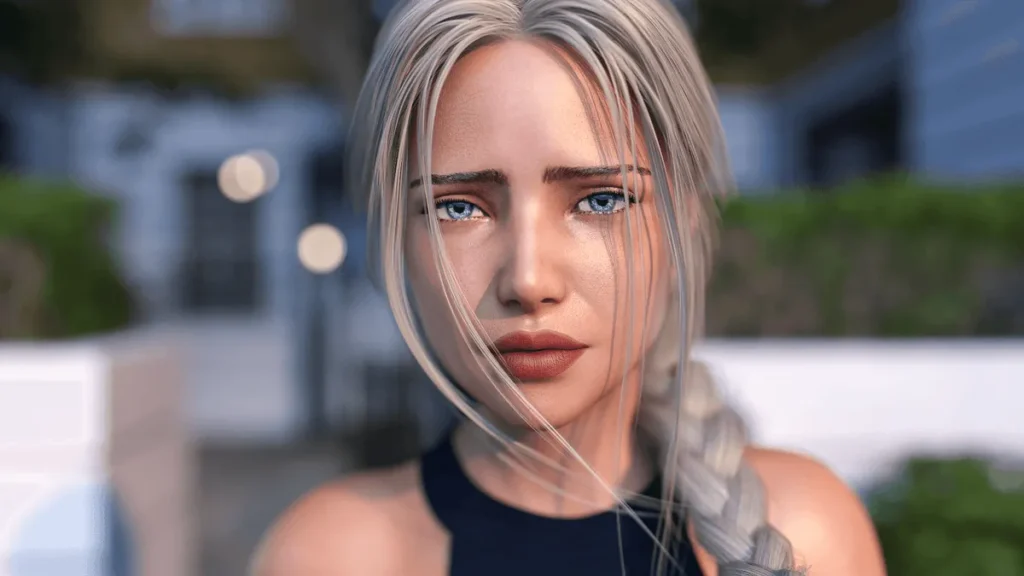

Summer’s Gone review
Dive into Healing, Hope, and Choices in This Captivating Story
Ever felt lost in a story that hits right in the feels? That’s Summer’s Gone for you—a visual novel that pulls you into a world of healing, hope, and deep connections. I remember my first playthrough; I was up till 3 AM, heart racing through every choice with Norah and her daughters. This interactive gem tackles real stuff like depression, isolation, and finding your way back to love. Whether you’re new or replaying for those hidden paths, this guide breaks down Summer’s Gone’s magic, from key decisions to character arcs. Stick around—you’ll level up your experience big time.
What Makes Summer’s Gone a Must-Play Visual Novel?
I remember the first time I clicked play on Summer’s Gone. It was during one of those gloomy, endless-feeling weekends where my own thoughts were a bit too loud. I wasn’t looking for a game; I was looking for an escape, something with a bit more soul than the usual fare. What I found was an experience that stayed with me long after I closed my laptop—a story that didn’t just distract me, but genuinely moved me. 🍃
That’s the magic of this visual novel. At its core, what is Summer’s Gone game if not a deep, interactive exploration of human connection? It’s a masterclass in storytelling that uses its interactive format to pull you into a world of emotional repair and quiet resilience. If you’re on the fence about diving in, let me tell you exactly what makes this Summer’s Gone visual novel a truly essential play.
Why the Story of Healing and Hope Hooks You In
Forget explosive action or high-fantasy magic. The real power of the Summer’s Gone story lies in its profound intimacy and emotional honesty. You step into the shoes of a protagonist who has been shaped by a painful separation from Norah and her three daughters. He was trained for a demanding family business, building a life of discipline but perhaps not one of heart. The catalyst for everything is a single, devastating moment: hearing Norah cry over the phone.
That sound, that raw vulnerability, shatters his carefully constructed world. It’s the call that pulls him back, setting him on a path not of conquest, but of return. This journey is the beating heart of the game. The Summer’s Gone depression themes are handled with a delicate, respectful touch—it’s not about glamorizing pain, but about authentically portraying the weight of loneliness, shame, and the flickering desire to rebuild.
This is where the theme of healing and hope in Summer’s Gone shines brightest. The game isn’t a quick fix or a sappy romance. It’s a slow, sometimes painful, but ultimately rewarding process. You’ll navigate awkward reunions, mend fragile trust, and help characters grapple with their own pasts. Every small breakthrough—a shared laugh, a moment of understanding, a hesitant smile—feels like a monumental victory. It’s this focus on Summer’s Gone mental health and emotional recovery that creates an incredibly cathartic and hooking narrative. You’re not just watching a story unfold; you’re actively participating in the mending of broken bonds. 💖
How Choices Shape Your Journey Back Home
One of the biggest misconceptions about visual novels is that your choices don’t matter. Summer’s Gone proves that notion totally wrong. This is a game where every dialogue option, every decision to reach out or hold back, actively molds your path and relationships. It’s the ultimate “butterfly effect” in narrative form!
Your primary tools are the relationship stats you build with each of the key characters—Norah and her daughters. Think of these not as mere numbers, but as a measure of emotional trust and understanding.
My top tip for your first playthrough? Don’t try to be a people-pleasing hero. Focus on building a deep, authentic connection with one or two characters that truly resonate with you. Spreading your attention too thin can lead to weaker bonds and less impactful story branches.
The game brilliantly uses mechanics like phone calls and text messages to make these relationships feel alive. Choosing to call someone after a difficult day, picking the right words of encouragement, or simply deciding to listen—these are the pivotal moments that define your story. Will you be the steady rock they need, or are you still too wounded to offer full support? The obstacles aren’t mythical beasts; they’re emotional walls, past traumas, and the simple, terrifying vulnerability of opening up again.
This emphasis on character development is what makes the Summer’s Gone visual novel so special. You’re not just selecting from a list of predetermined endings; you’re writing your own version of this family’s recovery, one meaningful choice at a time.
Season 1 vs. Upcoming Adult-Only Season 2
This is a key point of discussion for new players, and it’s important to set clear expectations. The version you’ll find on platforms like Steam is Summer’s Gone Season 1, and it’s a censored, story-focused experience.
Let me be clear: Season 1 is a complete and emotionally satisfying narrative in its own right. The developers made a conscious choice to prioritize the plot, character arcs, and the core themes of healing over explicit content. The emotional and romantic tension is absolutely there—it’s built through longing glances, charged conversations, and the electric possibility of connection. If you’re here for a compelling Summer’s Gone story with substance, Season 1 delivers in spades. It’s perfect for story-focused players who want the depth without the overtly mature scenes.
However, the original vision for the game included more intimate, adult moments as a part of the character relationships. This leads us to the highly anticipated Season 2, which is being developed as an adult-only update. This doesn’t mean the story gets thrown out! It means the existing narrative will be expanded with additional, optional scenes that align with the original creator’s vision for certain character routes.
To break it down visually, here’s how the two experiences compare:
| Feature | Season 1 (Steam/Censored) | Season 2 (Upcoming/Adult-Only) |
|---|---|---|
| Primary Focus | Story, emotional depth, and character development. | Expansion of the story with integrated mature content. |
| Content Type | Romantic and emotional tension without explicit scenes. | Includes the full narrative plus additional adult scenes. |
| Best For Players Who… | Value plot and emotional connection over explicit content. Prefer a story-first experience. | Want the complete, original vision of the character relationships and story arcs. |
My personal insight? Start with Summer’s Gone Season 1. Fall in love with the characters and the world for the rich story that it is. Then, you can look forward to Season 2 as a way to re-experience those relationships with new layers. It’s like reading a beloved book and then getting a special edition with extra chapters. 📚
Ultimately, whether you play Season 1 or eventually Season 2, you’re in for a narrative masterpiece. Summer’s Gone is a testament to the power of interactive storytelling, proving that games can be a profound medium for exploring themes of loss, love, and the hard, beautiful work of finding your way back home.
Got more questions? Let’s tackle some common ones before you begin your journey.
FAQ
-
Is Summer’s Gone just adult content?
Not at all! While the upcoming Season 2 will include it, the core of the game—especially Season 1—is its powerful, character-driven narrative about healing and family. The story and emotional depth are the main attractions. -
How long is Season 1?
A single, focused playthrough of Summer’s Gone Season 1 can take anywhere from 8 to 15 hours, depending on your reading speed and how much you explore different dialogue choices. Its replay value is high due to the branching relationships. -
Where can I find the uncensored version?
The original adult version of the early chapters and the upcoming, full Season 2 update are typically supported through the developer’s official Patreon page. Always ensure you’re accessing it through official channels to support the creators.
Summer’s Gone isn’t just a game—it’s a journey through tough emotions toward light and connection. From those heart-wrenching choices with Norah and the girls to overcoming isolation, it leaves you reflecting long after the credits. My top tip? Replay with different paths; the depth unfolds beautifully. If you’re craving story-driven adventures with real heart, grab Summer’s Gone now and dive in. What’s your favorite moment? Share in the comments—I’d love to hear your take and swap playthrough stories.