The Sin Within
Play The Sin Within
The Sin Within Screenshots
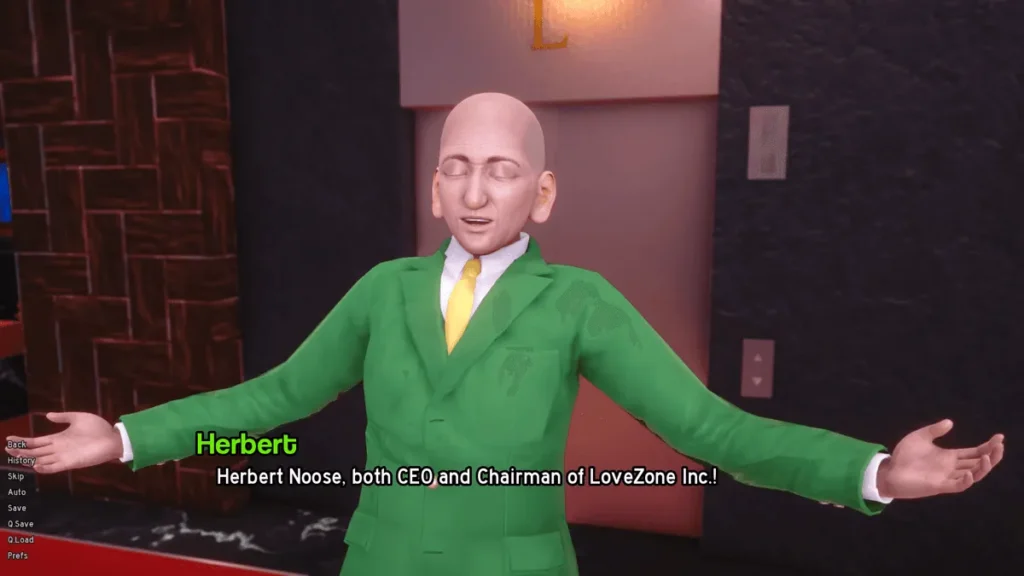
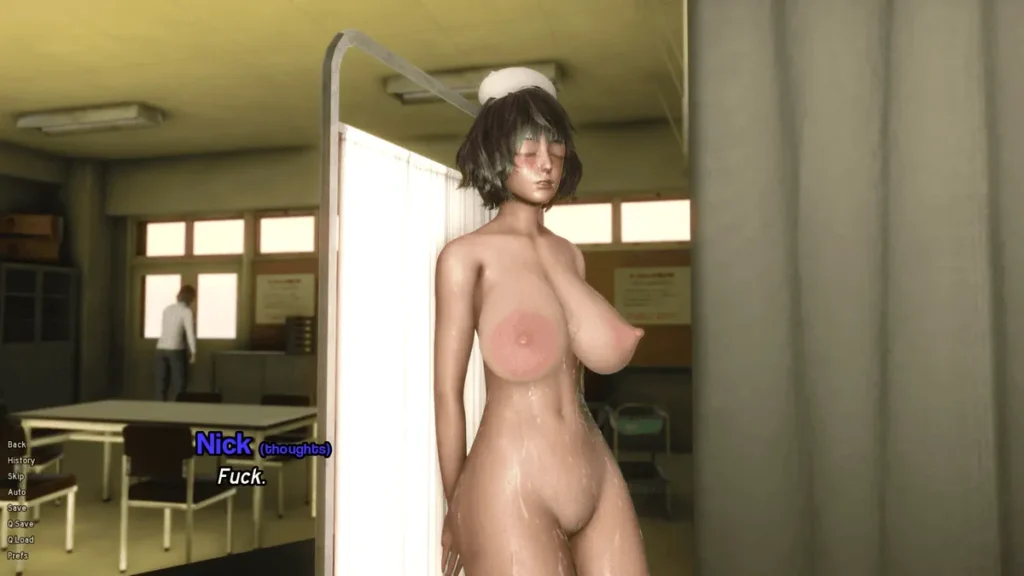
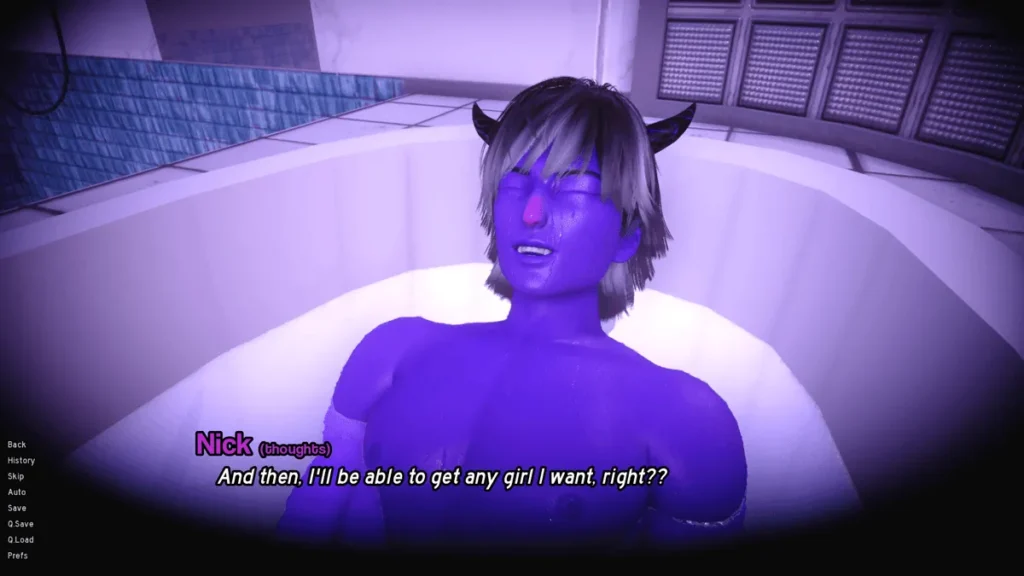
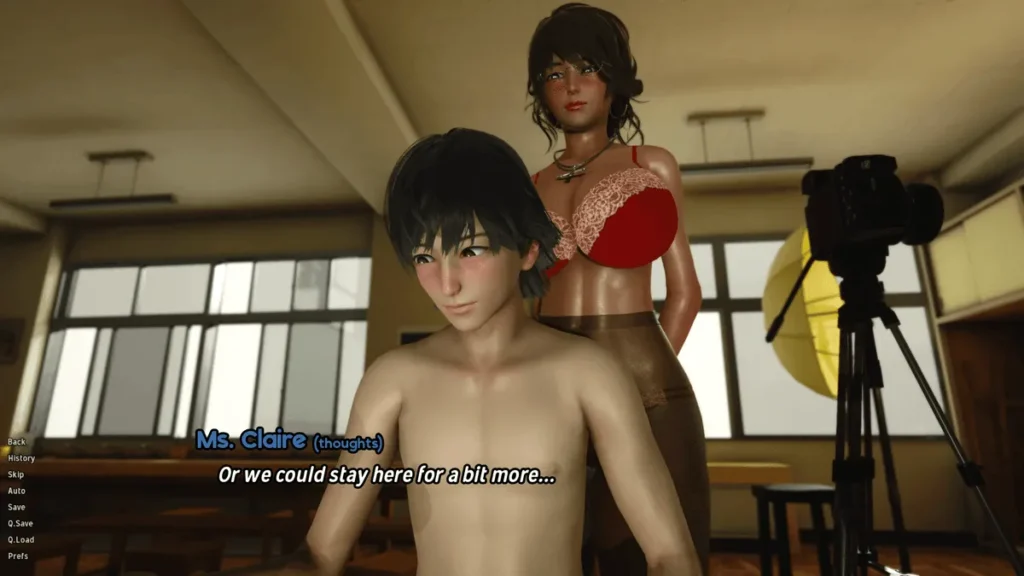
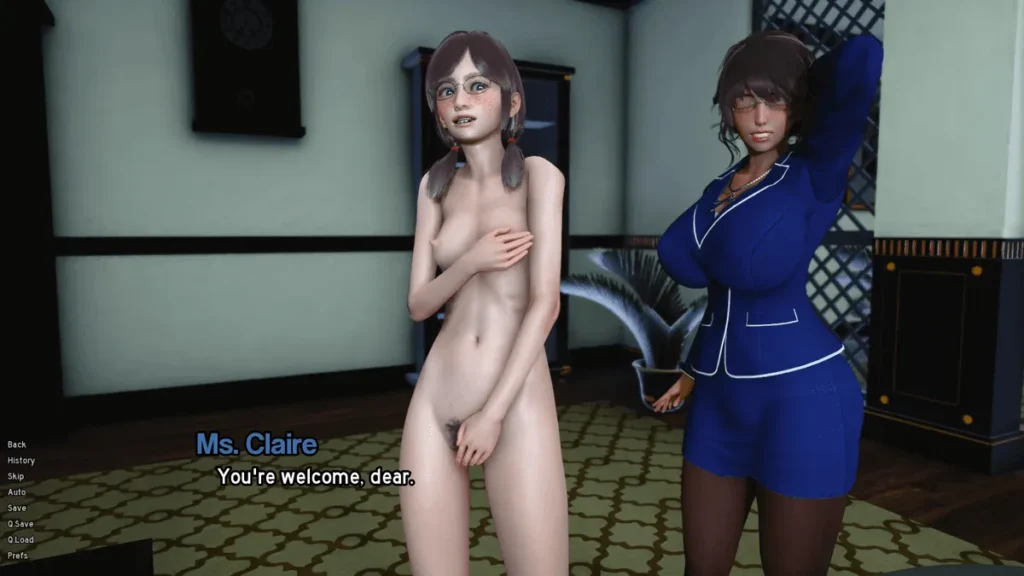
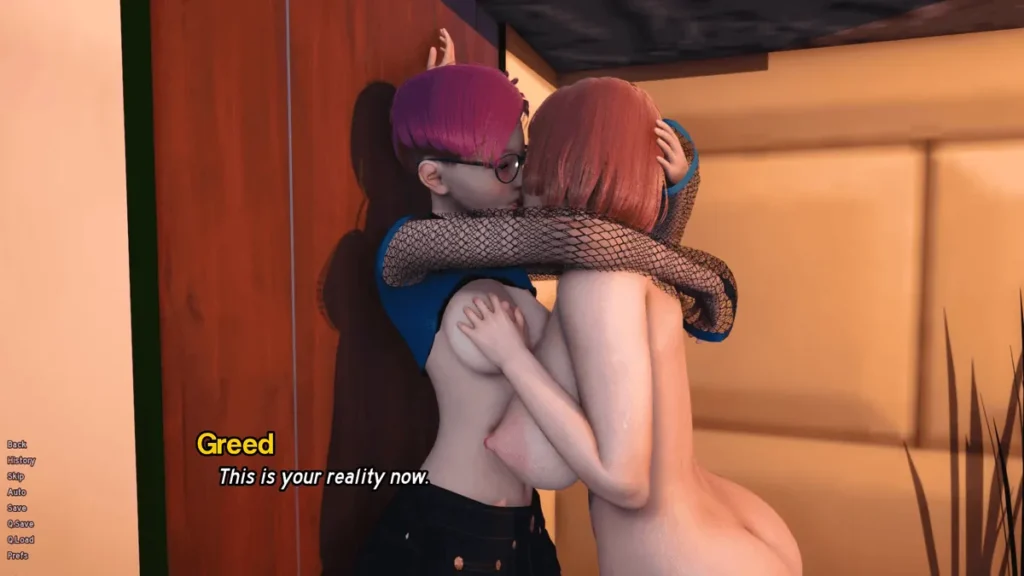
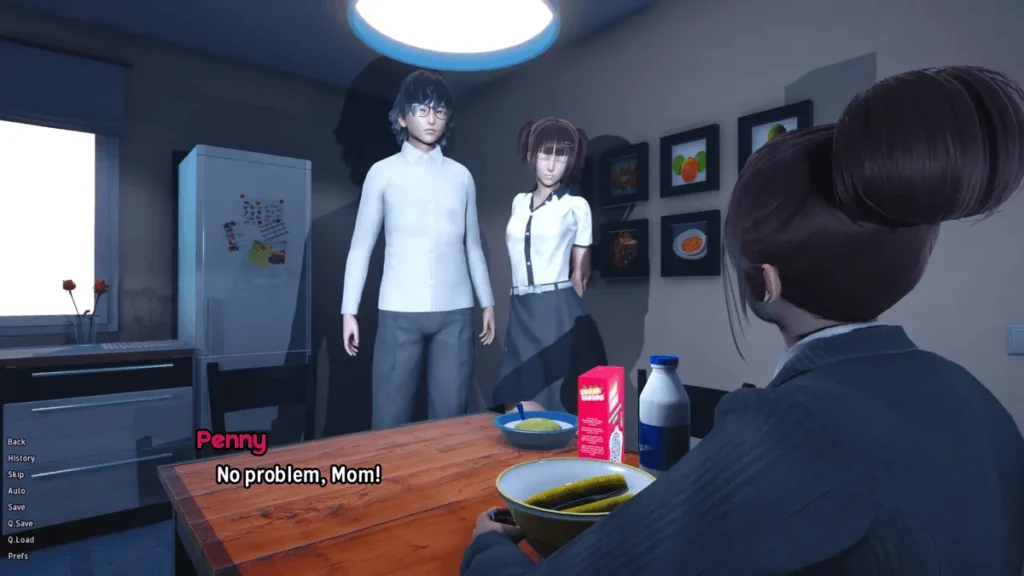
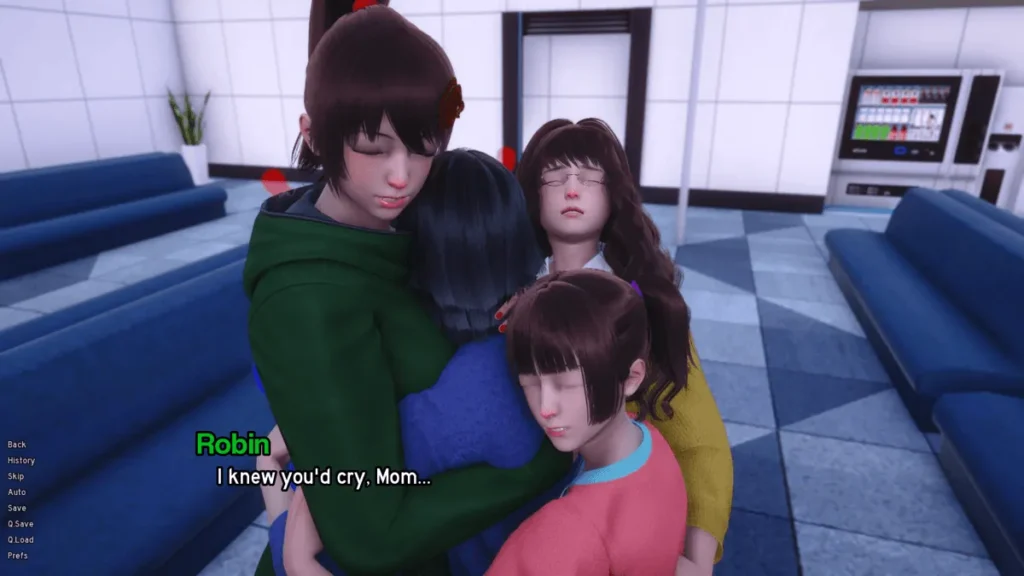
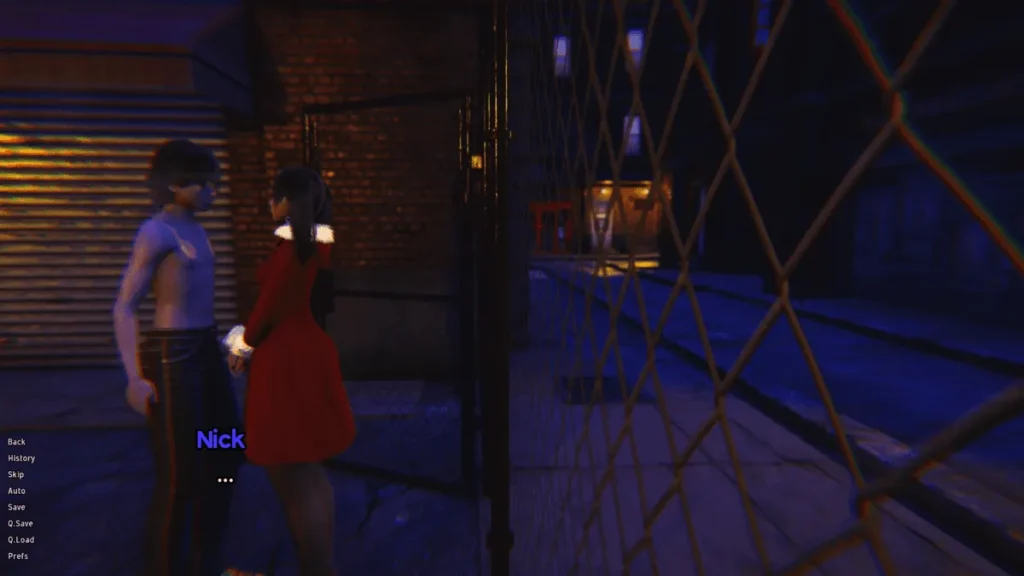
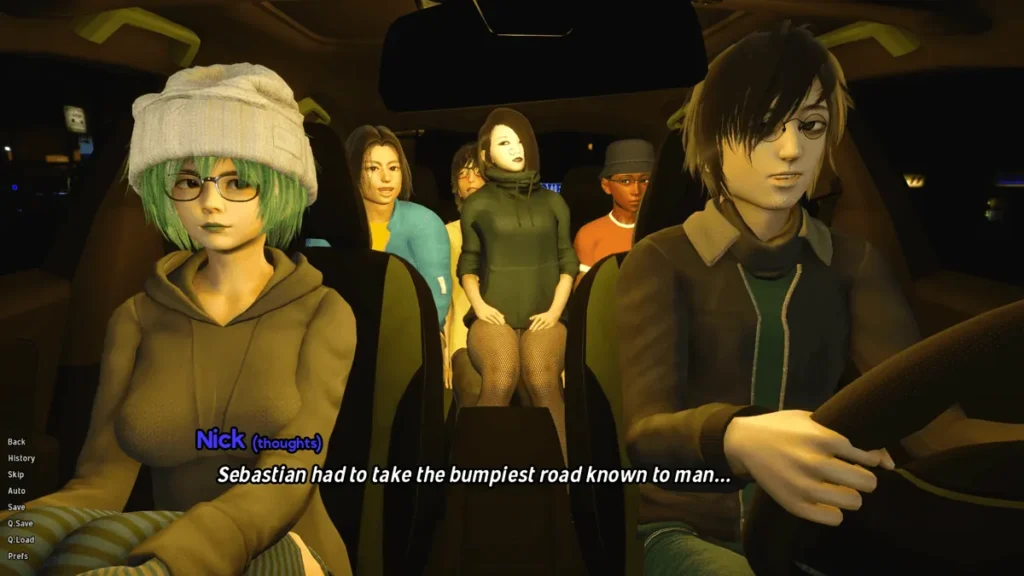
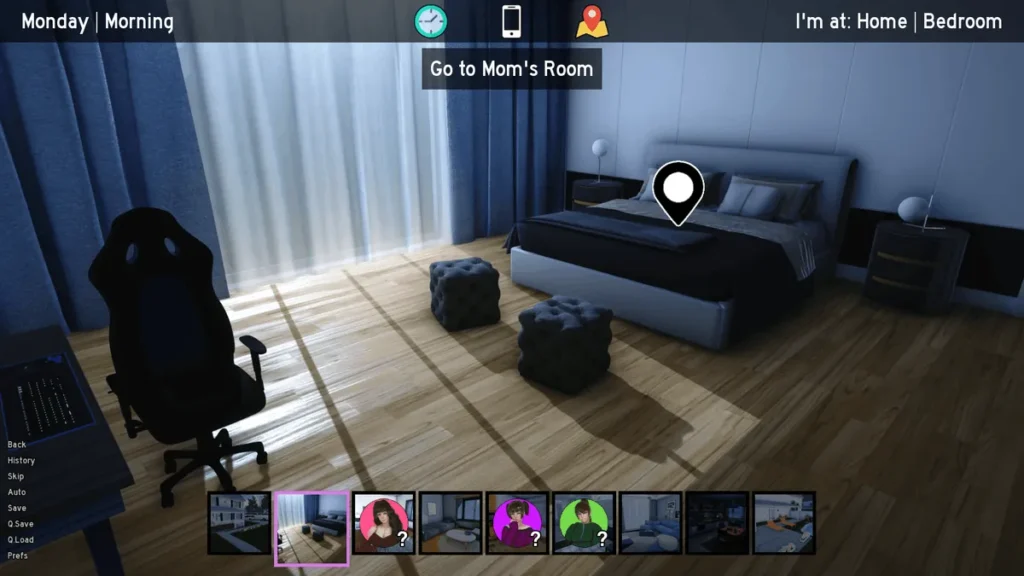
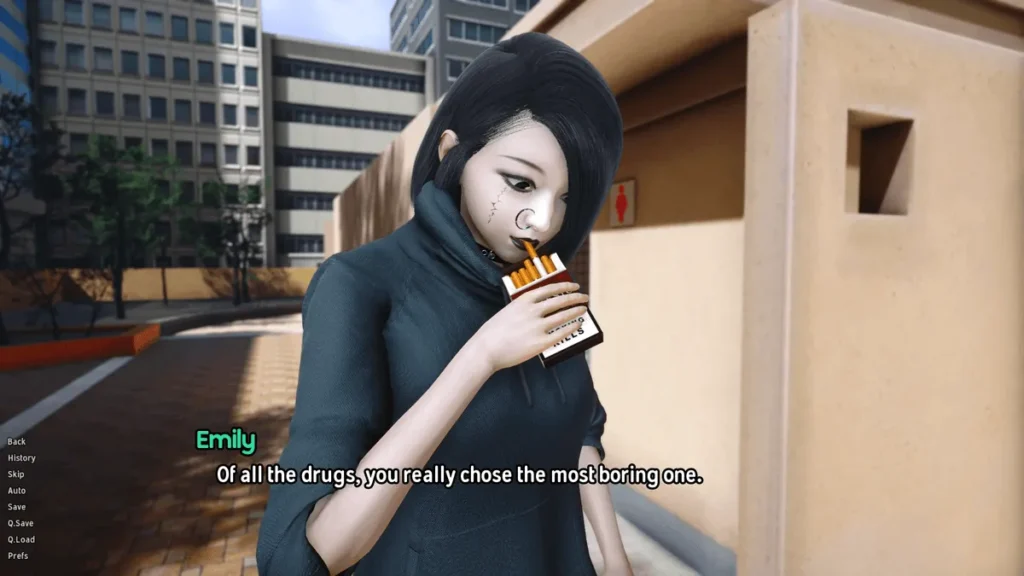
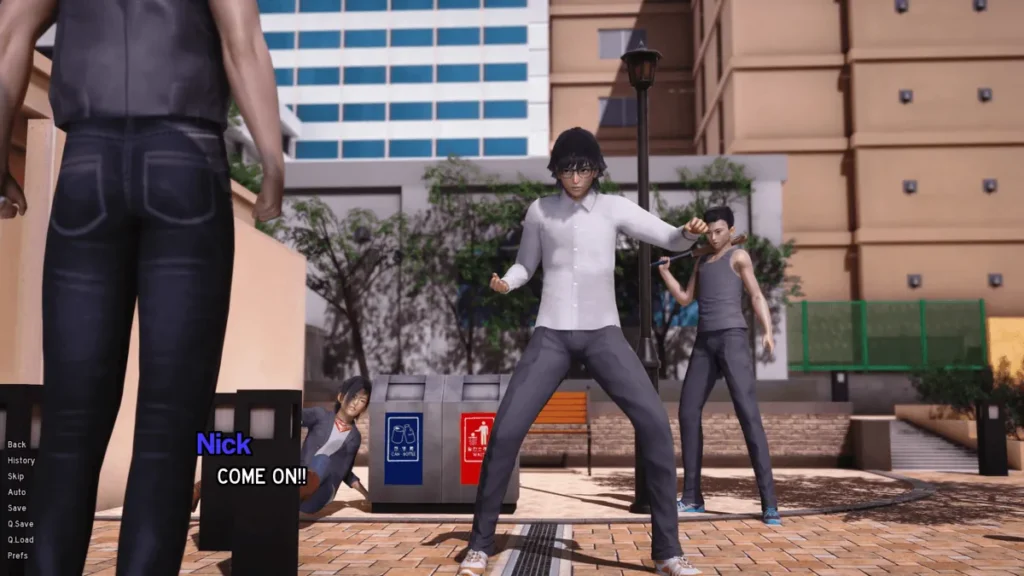
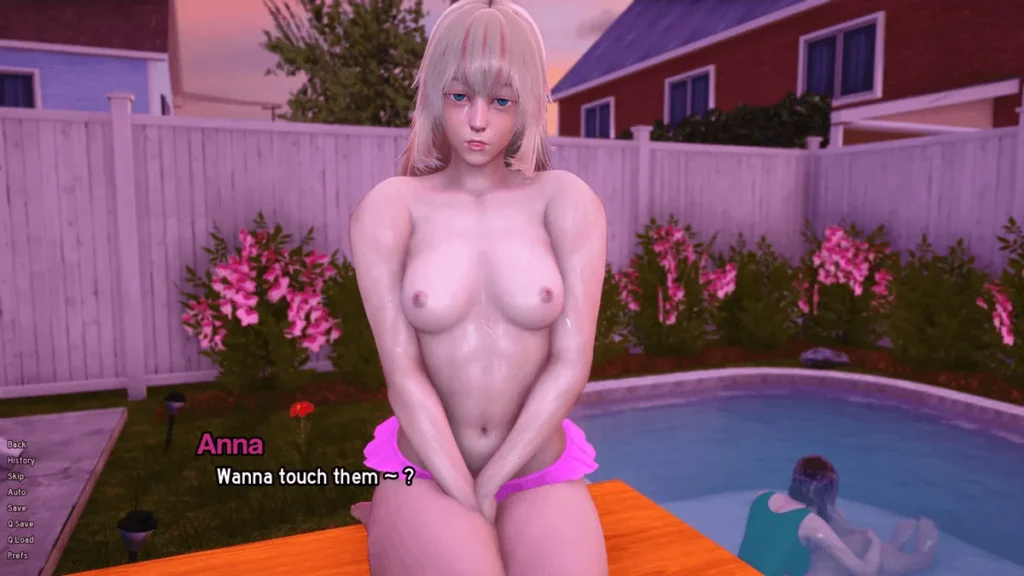
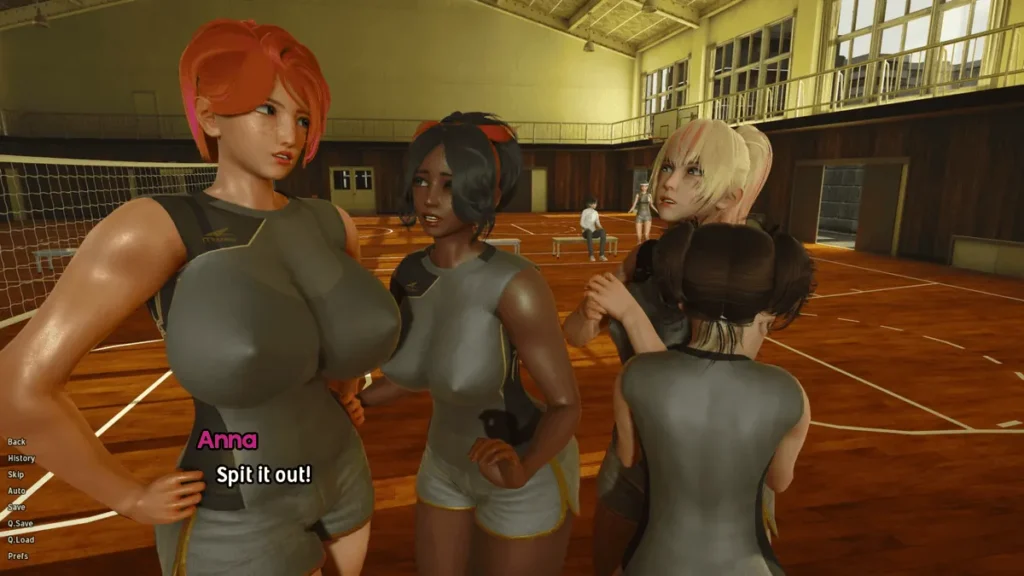
The Sin Within review
Discover the bold narrative and mechanics of this banned indie title
Have you heard about ‘The Sin Within,’ the indie game that Steam banned after years of development and over $100,000 invested? I first stumbled upon it during a late-night scroll through itch.io, drawn by whispers of its provocative themes challenging player boundaries. This isn’t your typical title—it’s a narrative-driven experience using tension-filled scenes to spark deep discussions on morality and limits. From incomplete day-six sequences that allegedly triggered flags to its non-arousing intent, ‘The Sin Within’ pushes unconventional storytelling. In this guide, I’ll share my playthrough insights, breakdowns of its mechanics, and why it’s worth exploring despite the backlash. Let’s dive into what makes this game unforgettable.
What Makes The Sin Within Stand Out?
I was scrolling through itch.io, the digital home for gaming’s most daring and unvarnished ideas, when the stark, unsettling artwork for The Sin Within game first caught my eye. 😮 There was no glossy marketing here—just a raw, provocative promise of a narrative that wouldn’t pull its punches. Intrigued, I dug deeper and stumbled into the real story: the dramatic Steam ban The Sin Within had endured. Reading through the developer’s public appeals, my intrigue turned to shock. This wasn’t just a game removed for bugs; it was a project costing over $100,000 and years of work, vaporized by a single decision. That moment, the The Sin Within controversy transformed from a headline into a human story of creative risk and platform power. I had to know more, and more importantly, I had to play it.
My journey with this banned title became a personal experiment. What was so dangerous that it couldn’t exist on Steam? Was it the salacious shock-fest some assumed, or something more complicated? This chapter is that exploration—a dive into the mechanics that challenge you, the narrative that unsettles, and the The Sin Within themes that linger long after you close the game.
Why Did Steam Ban The Sin Within Game?
Let’s tackle the elephant in the room first. Why was The Sin Within banned? The official crux of the Steam ban The Sin Within centered on a specific, incomplete scene slated for the game’s sixth day. The scene involved a man, his daughter, a naked woman, and a young girl in a context described as tense and emotionally charged. Valve’s determination was that this content, regardless of intent, violated their rules.
The developer’s public The Sin Within developer appeal was a plea for context. They argued passionately that the scene was not designed for arousal or exploitation, but to explore intense psychological tension, familial dysfunction, and uncomfortable moral questions. It was framed as a narrative bomb meant to detonate the player’s expectations and force a reaction about the characters’ feelings and limits, not a titillating display. This fundamental disconnect—between a platform’s broad-stroke policy and a creator’s specific artistic intent—is the heart of the The Sin Within controversy.
The developer maintained that their entire game uses challenging material as a tool for discussion. It’s about the feeling of unease, the weight of sin, and the exploration of taboo from a character-driven perspective. This wasn’t a defense of the content being “good” or “pleasant,” but an argument for its purpose within a larger, unconventional vision.
To break down this clash, let’s look at the specifics:
| Scene/Element Description | Perceived Steam Flag Risk | Stated Developer Intent |
|---|---|---|
| The incomplete “Day 6” scene with described character dynamics. | Very High – Potential violation due to character depictions and nudity in a charged scenario. | To create maximum narrative tension and explore traumatic family dynamics, using discomfort as a narrative tool, not a goal. |
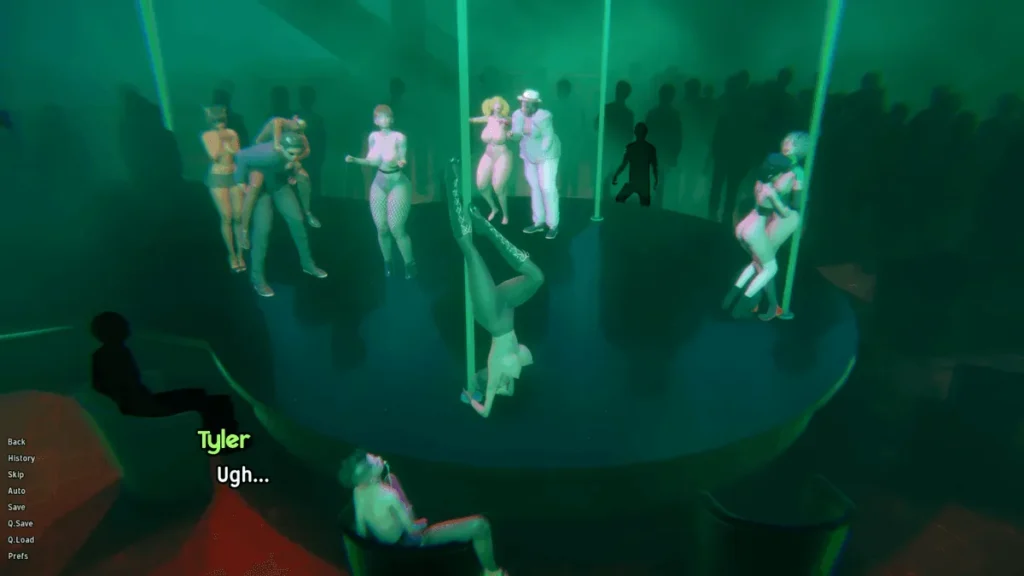
| Strip club environments with interactive “consent” prompts. | High – Adult-oriented sexual content. | To frame player agency morally. The prompt forces a conscious choice, making participation an active, judged decision rather than passive consumption. |
| Overall themes of moral decay, infidelity, and violence. | Moderate – Consistently mature and provocative themes. | To construct a world where “sin” is the operational currency, forcing players to navigate and define their own ethical boundaries within the story. |
This ban had real, crushing consequences. Beyond the financial ruin of a six-figure investment, it represented years of creative labor suddenly deemed illegitimate for a major storefront. It’s a stark reminder of the fragile line indie creators walk when their vision doesn’t fit a predefined template. 😔
Unpacking the Core Narrative and Themes
So, what exactly are you stepping into with The Sin Within game? This isn’t a heroic fantasy or a cozy sim. You inhabit a world of grimy realism and moral ambiguity, where the core gameplay loop involves making choices that often feel compromising or outright wrong. The The Sin Within themes are not subtle; they are the entire point.
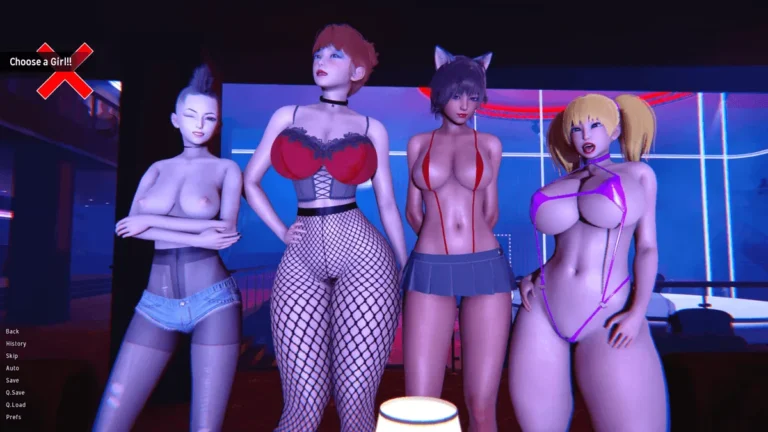
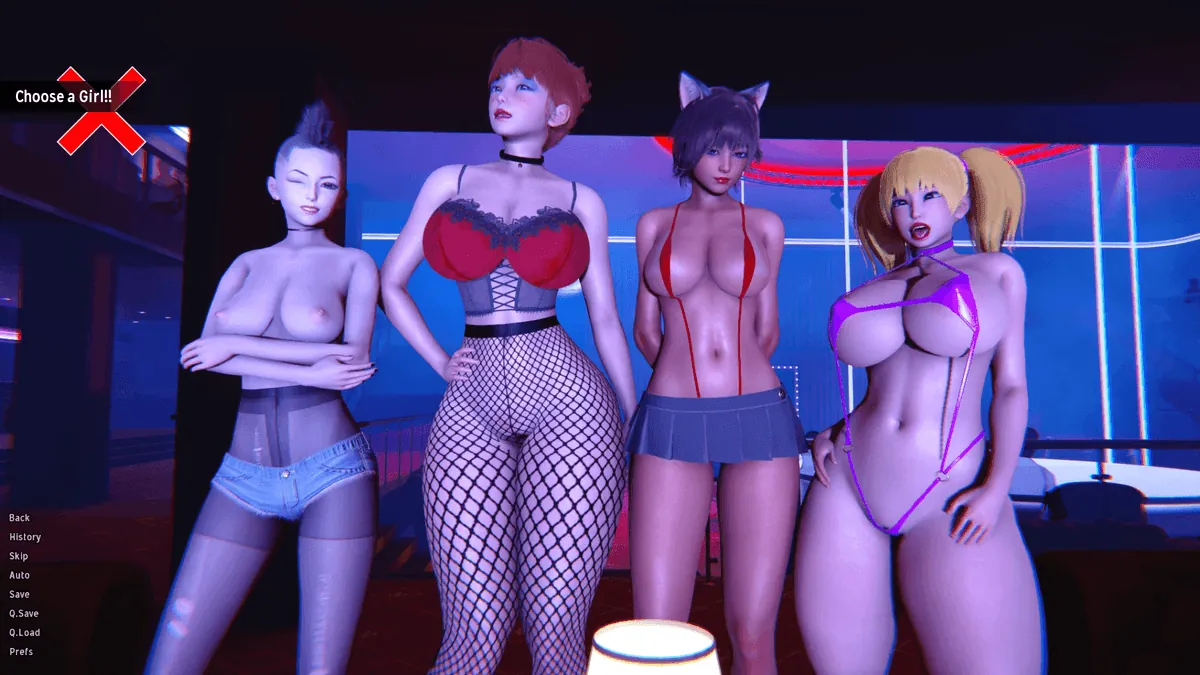
The narrative deliberately places you in provocative situations. Early on, you find yourself in strip clubs. But here’s the mechanical twist: before you can “interact” with a dancer, a large, unambiguous consent prompt appears on screen. ✅ This isn’t hidden in a menu; it’s in your face. The game is literally asking, “Are you sure you want to do this?” It transforms a potentially exploitative video game trope into a moment of moral agency. You are made complicit by your own button press. This, the developer argues, is the antithesis of exploitation—it’s a systematic questioning of player desire and voyeurism.
However, let’s be fair: the narrative execution is often cited as a weak point. The writing can veer into the absurd, with plots involving school principals that feel more like bizarre narrative detours than compelling drama. This inconsistency is part of the package. For every moment of genuine, uncomfortable intrigue, there might be a line of dialogue or a scenario that makes you chuckle at its awkwardness. It’s a flawed, messy experience.
But within that mess lies its distinctive voice. The game is obsessed with sin not as a religious checkbox, but as a foundational human experience—guilt, desire, betrayal, and weakness. It explores morality not as a clear binary of good and evil, but as a murky pool where characters (and players) wade through their worst impulses. It’s an unconventional vision that prioritizes provocative feeling over polished convention. In my opinion, this raw ambition is why The Sin Within deserves attention, even with its flaws. In a landscape of safe sequels, supporting this kind of distinctive, risky creativity is crucial for the medium’s growth. ✨
Player Choices That Challenge Your Limits
This is where The Sin Within game truly lives or dies for each player: in the mechanics of choice. During my play session, I hit a wall of repetition. The early cycles of work, travel, and repetitive prompts began to feel monotonous. I quit. 🛑 I walked away thinking it was a well-intentioned but tedious experiment.
But the story of the Steam ban The Sin Within and the themes it promised kept nagging at me. I returned a few days later, pushing past the initial grind. And that’s when it started to click. The game isn’t about “winning” or unlocking a better ending; it’s about endurance, observation, and the gradual accumulation of discomfort. The choices you make—from the monumental moral prompts to the trivial daily interactions—aren’t about optimization. They are about limit-testing.
- Will you click the consent prompt? What does it feel like to do it? What does it feel like to refuse, and then watch the narrative potentially narrow because of your abstinence?
- How will you engage with deeply flawed, often unlikeable characters? The game denies you easy allies, forcing you to find humanity in unpleasant places.
- Where is your line? The game’s power lies in holding up a mirror. Is your limit at sexual tension, at violence, at emotional cruelty, or at the game’s sometimes-awkward writing?
It becomes a personal audit. The “gameplay” is the slow burn of immersion in a world you might desperately want to escape, mirroring the protagonist’s own trapped feeling. It’s a bold, often frustrating design that won’t resonate with everyone, and that’s okay. Its value is in the conversation it creates with yourself.
If this exploration of The Sin Within themes and its controversial mechanics has piqued your curiosity, you can still experience it firsthand. The Sin Within itch.io page remains the primary home for the game post-ban. Supporting it there directly funds the independent creator at the heart of this entire The Sin Within controversy. It’s a direct line to the kind of unfiltered, risky art that keeps gaming interesting.
My actionable advice: Head to itch.io, search for The Sin Within, and go in with an open but critical mind. Be prepared for roughness, for unease, and for a narrative that prioritizes provocation over polish. Treat it less as a traditional “game to beat” and more as an interactive piece of contentious art. Your mileage will absolutely vary, but you certainly won’t have another experience quite like it.
FAQ: Your Quick Questions Answered
-
Is The Sin Within game designed to be arousing?
No, according to the developer’s extensive appeals. The intent is to use tension, nudity, and provocative scenarios to explore character psychology, player morality, and uncomfortable themes, not for titillation. -
How can I play it after the Steam ban?
The only official digital storefront for The Sin Within is now The Sin Within itch.io page. Purchasing it there is the best way to support the developer directly. -
What are the key The Sin Within themes?
The game centrally explores sin, moral ambiguity, personal limits, complicity, and the tension within dysfunctional relationships. It frames these not as plot points, but as the core environment for player interaction.
Exploring ‘The Sin Within’ opened my eyes to how games can provoke real thought on boundaries and creativity, even amid bans and critiques. From its tension-driven scenes to the dev’s bold vision, it stands as a unique indie gem worth your time. I recommend grabbing it on itch.io, playing through the prompts, and reflecting on what pushes your limits. Whether you’re into narrative depth or controversy, this title delivers. Dive in today and share your takeaways—what felt challenging for you?