Undercover Love
Play Undercover Love
Undercover Love Screenshots






























Undercover Love review
Explore gameplay mechanics, storyline, and what makes this indie title unique
Undercover Love stands out as a distinctive indie game that blends narrative depth with engaging mechanics. This guide explores everything you need to know about the game, from its core gameplay systems to character development and player progression. Whether you’re a seasoned gamer or new to indie titles, understanding what makes Undercover Love compelling will help you appreciate its unique approach to storytelling and interactive design. Discover how this game creates meaningful player choices and immersive experiences through its carefully crafted mechanics and character interactions.
Understanding Undercover Love: Gameplay Mechanics and Core Features
Ever felt like you were just clicking through a predictable story, watching love unfold on rails without any real input from you? 🙄 I’ve played my share of visual novels where my “choices” felt like illusions, simple buttons that shuffled me between a handful of predetermined endings. Then I found Undercover Love, and let me tell you, it was a revelation. This isn’t just another dating sim; it’s a rich, reactive world where your decisions weave a unique tapestry of intrigue, romance, and personal discovery. If you’re wondering how to play Undercover Love, the first lesson is to forget everything you know about passive storytelling. Here, you don’t just observe a narrative—you actively build it, one meaningful interaction at a time.
At its heart, the Undercover Love gameplay mechanics are a masterful blend of social simulation, time management, and choice-driven narrative. You step into the shoes of an agent navigating a delicate mission that’s as much about forging genuine connections as it is about gathering intelligence. What makes it tick? Let’s dive into the core systems that make this indie title a standout in the relationship building game genre.
How the Game’s Interaction System Works
The magic of Undercover Love begins with its brilliant character interaction system. Forget static dialogue trees where you pick from three vaguely nice or mean options. Here, every conversation is a dynamic dance. You’re not just choosing what to say; you’re observing body language cues, listening to vocal tones, and considering the context of your previous encounters.
Think of it like this: early on, I tried to be overly charming with a character who was clearly stressed and guarded. The game didn’t just give me a bland “they didn’t like that” message. Instead, their posture changed in the beautifully drawn sprite, their dialogue became clipped and wary, and it took several genuine, supportive interactions later to rebuild even a basic level of trust. The system remembers.
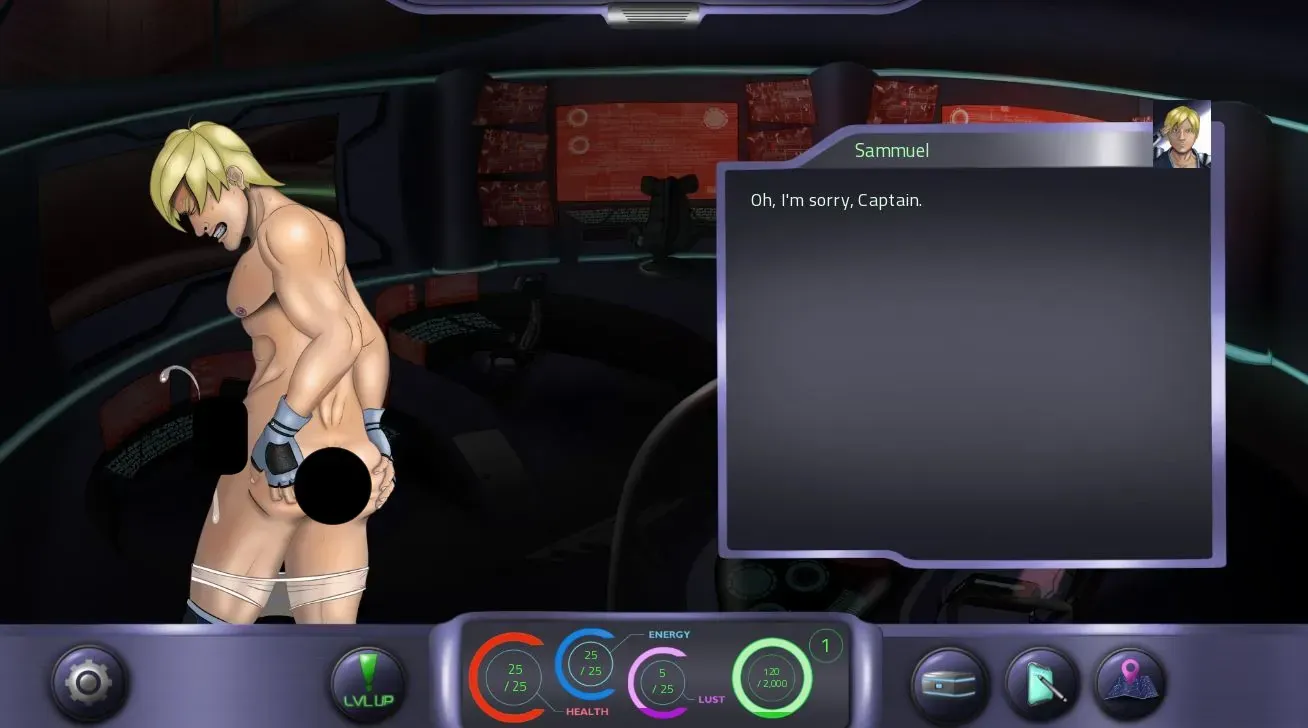
The interface is your best friend. You have a clear menu of interaction types, from Casual Chat and Deep Questions to offering Help or sharing a Gift. Each action consumes a resource—usually time or energy—forcing you to think strategically about your daily schedule. Do you spend your afternoon researching for your mission at the library, or do you casually “bump into” a key character at the local café to slowly build rapport? This is where the Undercover Love gameplay mechanics shine, merging your spy objectives with your social goals seamlessly.
Here’s a quick breakdown of the key interactive tools at your disposal:
- The Dialogue Wheel: Presents nuanced response options that reflect tone and intent, not just good/evil binaries.
- Activity Invitations: Suggest studying, getting coffee, or visiting a location together. Acceptance depends heavily on your current relationship level and the character’s mood.
- The “Observe” Command: A genius feature. Before interacting, you can observe a character for subtle hints about their current state, informing your approach.
- The Mail & Phone System: This isn’t just for plot. You can send messages to characters, which they will remember and reference later, creating a continuous thread of communication outside of scheduled meetings.
Pro Tip: Always use the “Observe” command at the start of a new scene. That little hint—“Kai is tapping his foot, glancing at the clock”—told me he was in a hurry, so I chose a quick, witty greeting instead of a deep question. It earned me a surprised smile and a bonus affinity point!
This deep character interaction system creates an unparalleled sense that you are dealing with real, unpredictable people. It’s the core of what makes understanding how to play Undercover Love so rewarding.
Character Progression and Relationship Building
If interactions are the steps, then relationships are the journey. Undercover Love treats relationship building like tending a delicate garden, not checking boxes on a spreadsheet. Each character has multi-layered affinity meters that track different aspects of your bond—Trust, Affection, Intrigue, and sometimes Conflict. Yes, Conflict can be a positive meter! A rivalrous, competitive relationship can be just as compelling and story-rich as a purely romantic one.
Your player choice and agency are the sole drivers here. There are no “right” answers, only consequential ones. Choosing to share a vulnerable piece of your (cover) story might boost Trust with a loyal character but raise Intrigue with a more suspicious one. I remember once, in an attempt to get closer to the enigmatic artist, Sloane, I confessed a fabricated personal fear. Instead of comforting me, she saw it as a fascinating flaw to explore in her next painting—my Trust meter barely moved, but her Intrigue shot up, unlocking a completely new branch of conversations about art and vulnerability.
The game progression system is directly tied to these relationships. Advancing the main plot often requires reaching certain affinity levels with specific characters to gain their cooperation or uncover key information. But it’s not just about the destination. The game expertly records your history in a relationship log, allowing you to see the pivotal moments that defined your connection. Did you bond over a shared secret in Chapter 2? The game will remind both of you about it in Chapter 5.
Let’s look at a practical example of how this loops together:
| Your Action | Immediate Character Reaction | Long-Term Progression Impact |
|---|---|---|
| Help Alex finish a difficult work project. | +Trust, +Affection. Unlocks special “Grateful” dialogue. | Alex is now more likely to share confidential work info with you later, advancing a mission thread. |
| Pry into Alex’s personal family history too early. | +Conflict, -Trust. Conversation ends awkwardly. | Alex becomes guarded in future one-on-one meetings. You must rebuild trust through casual group activities for several days. |
| Send a follow-up mail the next day apologizing for overstepping. | Small +Trust recovery. Acknowledged in next meeting. | Unlocks a unique “Vulnerable” conversation path later, where Alex opens up on their own terms. |
This level of cause-and-effect is what makes the game progression system feel so organic. You’re not just collecting points; you’re writing a shared history.
Customization Options and Player Agency
Now, let’s talk about making the story truly yours. For an indie title, the breadth of indie game customization features in Undercover Love is astonishing. This is where player choice and agency extend beyond dialogue and into the very fabric of your identity and environment.
First, your avatar. The character creator goes beyond simple hairstyles and colors (though it has those in spades). You can select background traits that subtly influence dialogue options and how certain characters perceive you initially. Choosing a “Bookish” background might give you unique insights in conversations with the librarian, while a “Street-Smart” trait could open up intimidation options with less savory contacts. It’s a light but impactful role-playing layer that makes subsequent playthroughs feel distinct.
Then there’s your apartment—your sanctuary and secret base. The room personalization is a beloved mini-game. You earn or purchase items through gameplay, from posters and plants to furniture sets. Why does this matter? Because characters will visit! 🏠 I spent a ridiculous amount of time curating a shelf full of classic mystery novels, and when the detective character came over, he immediately commented on it, sparking a long conversation that boosted our affinity. The environment you create becomes another tool for expression within the character interaction system.
But the greatest customization is narrative. The game presents major story forks that aren’t about picking a love interest, but about defining your methodology and morality. Will you complete your mission efficiently but coldly, potentially burning bridges? Or will you get so entangled in the lives you’ve touched that the mission’s goals become blurry? The game doesn’t judge. It adapts.
Your player choice and agency are reinforced by a brilliant “Dossier” system. This is your in-game notebook, but it’s populated by your discoveries. Clues you find, personal details characters share, and your own theories are all logged there manually. The story’s mystery unfolds at the pace and in the direction you push it. No two players’ Dossiers will look the same, making the final reveal feel like a personal accomplishment.
This immense freedom is balanced by a structured calendar system that creates natural tension. You have a limited number of weeks to achieve your goals, forcing you to prioritize which relationships to cultivate and which leads to follow. This structure is the secret ingredient to the game’s immense replayability. On my second playthrough, I focused on entirely different characters and made opposite moral choices, and I was stunned by how much new content, scenes, and endings I discovered—it felt like a 70% new game.
Undercover Love proves that deep indie game customization features aren’t just about aesthetics; they’re about crafting a unique identity and narrative path that resonates with your personal playstyle. It hands you the tools and the trust to build your own version of the story, making every triumph, every heartbreak, and every solved mystery uniquely and undeniably yours. That is the true power of its design. ✨
Undercover Love represents a thoughtful approach to interactive storytelling, combining meaningful player choices with engaging mechanics that encourage exploration and replayability. The game’s emphasis on character customization, relationship building, and player agency creates an experience that feels personal and immersive. Whether you’re drawn to narrative-driven games or appreciate innovative indie titles, Undercover Love offers a compelling experience that rewards both careful decision-making and experimentation. Start your journey today and discover why this game has resonated with players seeking depth and authenticity in their gaming experiences.