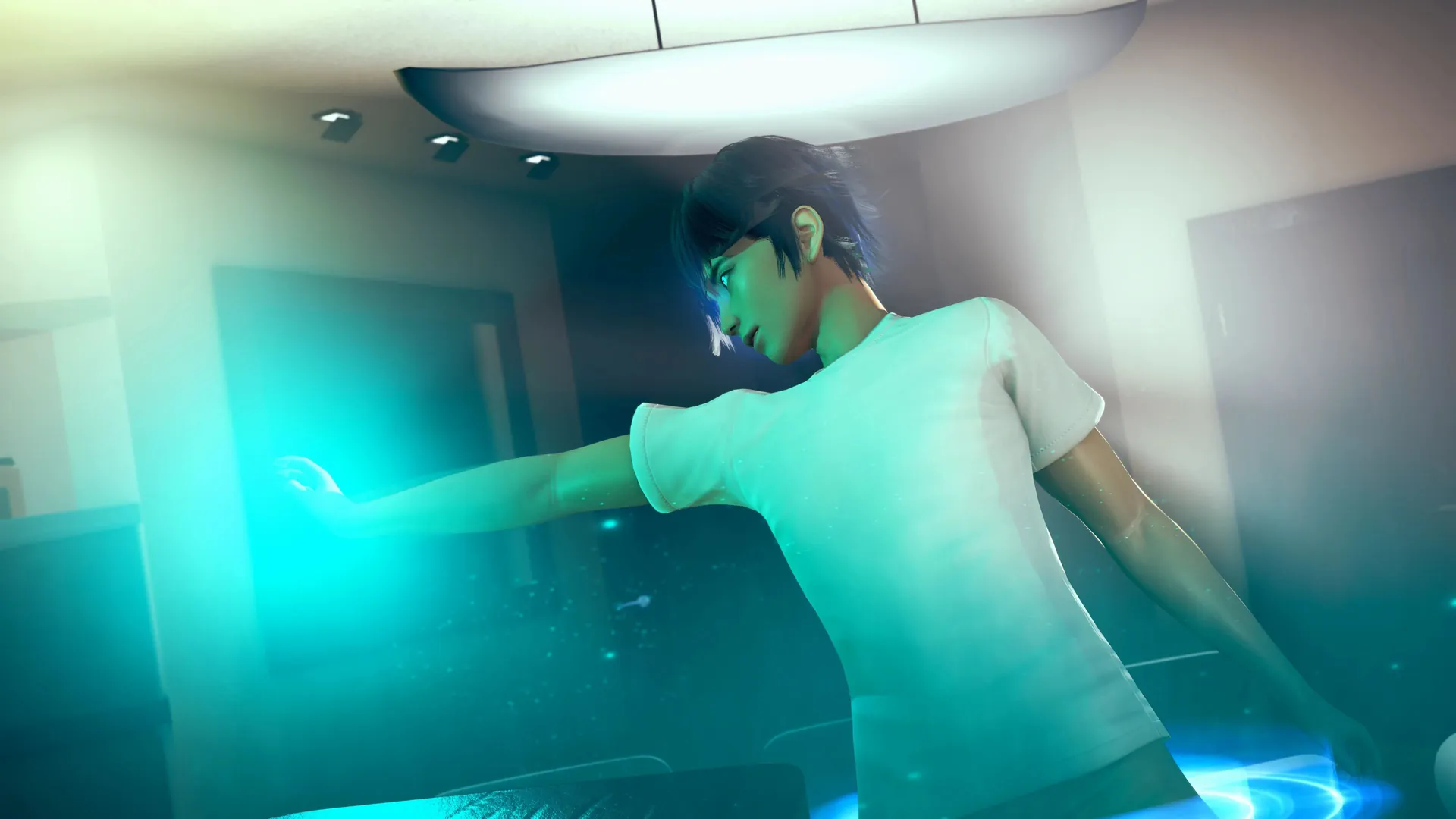
Summer’s Gone
Play Summer’s Gone
Summer’s Gone review
Explore the story, characters, and gameplay mechanics of this acclaimed interactive narrative experience
Summer’s Gone is a high-quality interactive visual novel that has garnered significant attention for its compelling narrative and character-driven storytelling. Released in 2019 by Ocean, this game focuses on themes of healing, hope, and love, following a young protagonist dealing with trauma and isolation as he navigates college life and uncovers mysteries surrounding a missing person from his past. The game stands out in the visual novel genre for its slow-burn romance approach, meaningful character development, and emphasis on emotional depth over explicit content. Whether you’re new to visual novels or a seasoned player, understanding what makes Summer’s Gone unique can help you appreciate its narrative complexity and gameplay features.
Understanding Summer’s Gone: Story, Setting, and Core Themes
If you’ve spent any time in the visual novel community over the past few years, you’ve likely heard whispers, passionate recommendations, and maybe even seen some stunning renders from a game called Summer’s Gone. It’s not just another dating sim or a lighthearted slice-of-life story. This interactive visual novel game stands apart as a profound, emotionally charged experience that has redefined what the genre can achieve. Released in 2019 by developer Ocean, Summer’s Gone tackles heavy, real-world themes with a sensitivity and narrative depth that leaves a lasting mark on players. It’s a game that matters because it dares to explore the messy, painful, and ultimately hopeful process of putting oneself back together. 🎭
At its heart, Summer’s Gone is a character-driven narrative game about a young man named William, though he goes by a different name now, who is starting his first year at Jackson & Schwartz University. But this isn’t a simple fresh start. He carries a profound, unnamed trauma—a gaping hole in his memory and his soul linked to a girl from his childhood who vanished. The core Summer’s Gone story plot isn’t about frantic action or solving a crime; it’s an intimate, slow-burn exploration of a person learning to live again. The mystery of “Summer” is the ghost that haunts every interaction, the silent weight behind his hollow eyes. As you guide him through new friendships, tense encounters, and tentative connections, you’re not just watching a story unfold—you’re actively participating in a journey of healing. This is, without question, a premier visual novel about trauma and healing.
What is Summer’s Gone and Why Does It Matter?
So, what exactly is this game that generates such fervent discussion? 🎮 Summer’s Gone is a story-first interactive visual novel game built in Ren’Py. It belongs to a category often associated with lighter fare, but it defiantly carves its own path. While it features branching romantic paths with beautifully designed characters, its primary focus is narrative depth and psychological realism. The “adult” label here refers to mature themes, not necessarily explicit content, which the game notably lacks in its current chapters. Instead, its maturity comes from its honest portrayal of depression, social anxiety, loss, and the arduous climb toward emotional stability.
Why does it matter? In a landscape filled with power fantasies and escapism, Summer’s Gone offers something more valuable: empathy. It forces you to sit with discomfort, to navigate social situations with a protagonist who is often closed off and struggling. Your choices feel significant because they aren’t just about who to date; they’re about how to help a fractured person engage with the world. Will you encourage him to open up to a classmate, or retreat into solitude? Will you confront a painful memory, or continue to avoid it? This weight makes it a standout visual novel with meaningful choices. Every decision subtly shifts his relationships and his internal state, making your playthrough uniquely personal. The game’s stunning, almost cinematic visual presentation—with detailed environments and incredibly expressive character models—elevates this experience, pulling you completely into its world.
The Central Plot: Trauma, Mystery, and Personal Growth
The Summer’s Gone story plot is a masterclass in slow revelation and emotional tension. You step into the shoes of a protagonist who is, quite literally, a shell of his former self. A tragic event, tied to the disappearance of a girl named Summer, has left him with debilitating amnesia and a deep-seated depression. He doesn’t remember the details, only the crushing emptiness her absence created. His first day at university is less about excitement and more about survival—navigating crowds, suppressing panic, and trying to remember how to be a person.
This central mystery of “What happened to Summer?” is the engine of the plot, but it’s not a typical whodunit. 🕵️♂️ The mystery is internal. The clues are flashbacks, triggered by sensations or familiar faces. The investigation is psychological. As you progress through the chapters, you’ll piece together fragments of the past while simultaneously building a new present. This dual narrative—unraveling the past while constructing a future—is what makes the Summer’s Gone visual novel so compelling. The plot is meticulously paced, allowing time for quiet moments of introspection, awkward social exchanges, and gradual breakthroughs that feel earned and real.
The genius of the Summer’s Gone narrative is how it intertwines personal growth with its core mystery. Healing isn’t linear. Some days, a conversation with a new friend like Mila might bring a genuine smile. Other days, a scent or a song might trigger a debilitating flashback, sending him reeling. Your meaningful choices directly influence this pace. Pursuing a connection with the fiery and complex Bella might involve confronting aggressive emotions, while time with the gentle and artistic Nami might offer a safer harbor. Each path doesn’t just lead to romance; it leads to a different facet of healing, a different way for the protagonist to understand his own pain and potential. This approach solidifies its status as a powerful visual novel about trauma and healing.
Setting and Atmosphere: College Life and Emotional Landscapes
The setting of Summer’s Gone is deceptively familiar: the world of higher education. Jackson & Schwartz University, with its lecture halls, libraries, cafes, and dorm rooms, provides the stage. But in this game, these locations are more than just backgrounds; they are emotional landscapes. 🏫 The bustling cafeteria isn’t just a place to eat—it’s an arena of social anxiety. A quiet bench by the lake isn’t just scenic—it’s a refuge from overwhelming stimuli. The developer, Ocean, uses lighting, weather, and incredible environmental detail to mirror the protagonist’s inner state. A sunny day on campus might feel ironically bleak when he’s trapped in his own head, while a rainy evening in his apartment might feel cozy and safe when he’s sharing a moment with someone he trusts.
This college setting is perfect for a character-driven narrative game. It’s a time of transition and new encounters, forcing the protagonist out of total isolation. The cast of Summer’s Gone characters he meets are all navigating their own journeys, and their interactions with him feel organic and layered. They aren’t just love interests waiting for his attention; they are fully realized people with their own histories, insecurities, and motivations. Your choices determine which of these relationships deepen, creating a unique web of connections that supports (or complicates) his healing process.
Speaking of the cast, understanding the key Summer’s Gone characters is essential to navigating this world. Each person represents a different path, a different kind of human connection.
| Character | Role & Significance |
|---|---|
| Bella | The enigmatic, sharp-tongued volleyball player. Her path is often intense and confrontational, forcing the protagonist to deal with direct, sometimes hostile, social dynamics. She represents a challenging road to healing, one built on sparks and friction. |
| Mila | The bright, friendly, and supportive classmate. Mila’s route is often seen as a gentler, more nurturing path. She provides a sense of normalcy and patient kindness, offering a safe space for the protagonist to tentatively lower his walls. |
| Nami | The childhood friend who has known him since before the trauma. Nami’s route is deeply intertwined with the past. She represents a link to the person he used to be, and her path involves navigating complex, pre-existing feelings and shared history. |
These are just the central figures in a much larger, interwoven social circle. Each relationship you cultivate changes the subtle dynamics of the group, making every playthrough a distinct narrative experience. This is the hallmark of a true interactive visual novel game—your agency shapes not just an ending, but the very texture of the story.
The atmosphere is completed by an exceptional soundtrack that perfectly captures every mood, from melancholic piano pieces to more upbeat, hopeful tracks. It’s a total sensory package designed for immersion. The Summer’s Gone visual novel proves that a story’s power isn’t just in what happens, but in how it makes you feel in every single moment. From the weight of silence in an empty room to the charged tension of a difficult conversation, the game masters its emotional atmosphere.
“I’ve played dozens of visual novels, but none have stayed with me like Summer’s Gone. It’s the only game where I’ve genuinely paused my playthrough just to sit and process my own emotions. The characters don’t feel like tropes; they feel like memories. You’re not just making choices for them—you’re feeling those choices in your gut. It’s a masterpiece of emotional storytelling.”
This player testimonial echoes the sentiment of a vast portion of the community. It’s a game that demands emotional investment and rewards it with a story of incredible resonance. If you’re looking for a visual novel with meaningful choices that offers more than just fleeting entertainment—if you’re ready for a deep, impactful journey through the shadows of the past and the fragile hope of new beginnings—then the world of Summer’s Gone is waiting for you. Your choices will guide a broken soul toward the light, one delicate, beautifully rendered moment at a time. ✨
Summer’s Gone represents a distinctive approach to interactive storytelling within the visual novel genre, prioritizing emotional narrative and character development over conventional genre expectations. The game’s exploration of trauma, healing, and meaningful relationships resonates with players seeking deeper, more thoughtful gaming experiences. With its branching storylines, multiple character paths, and emphasis on player choice impacting the narrative, Summer’s Gone offers substantial replay value and engagement. The game’s success lies in its ability to balance serious thematic content with moments of hope and connection, creating an experience that lingers with players long after completion. For those interested in narrative-driven games with complex characters and meaningful storytelling, Summer’s Gone stands as a compelling choice that demonstrates the potential of visual novels as a medium for exploring human emotion and connection.